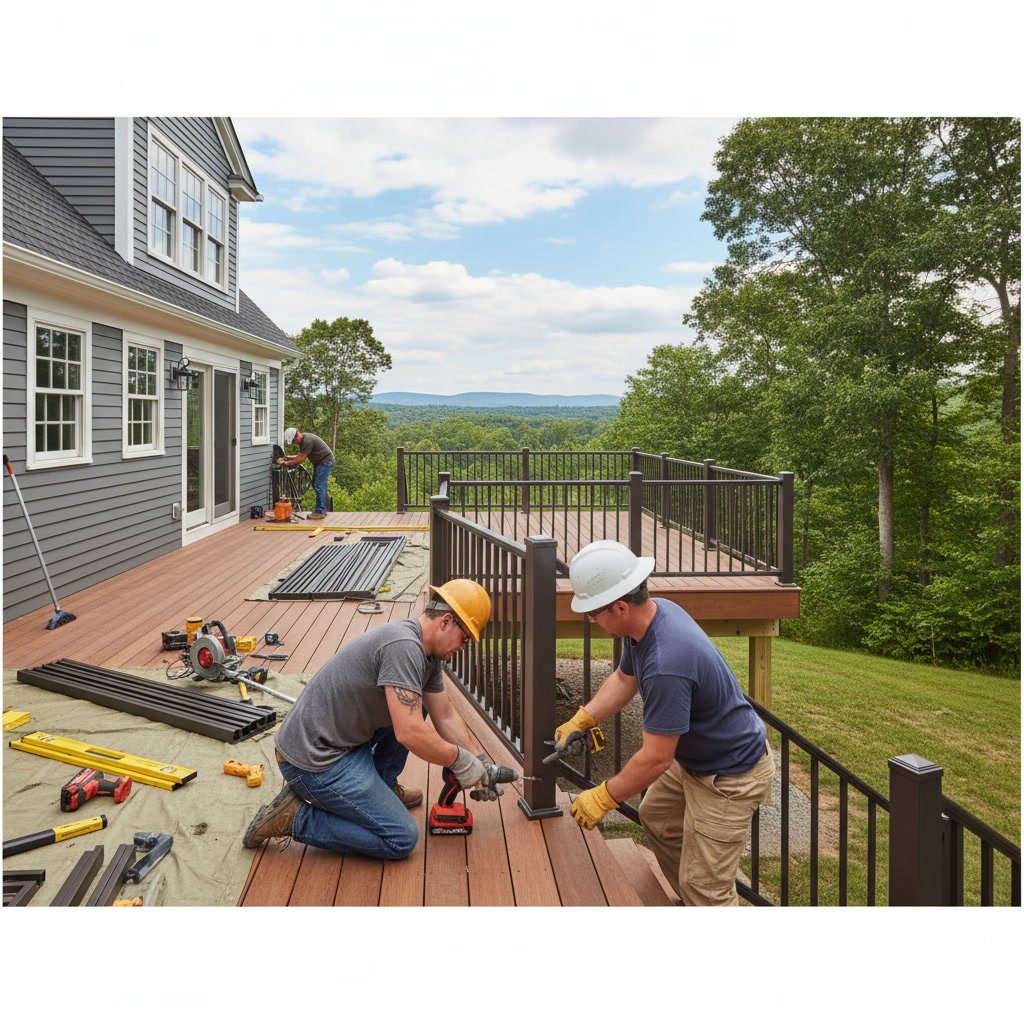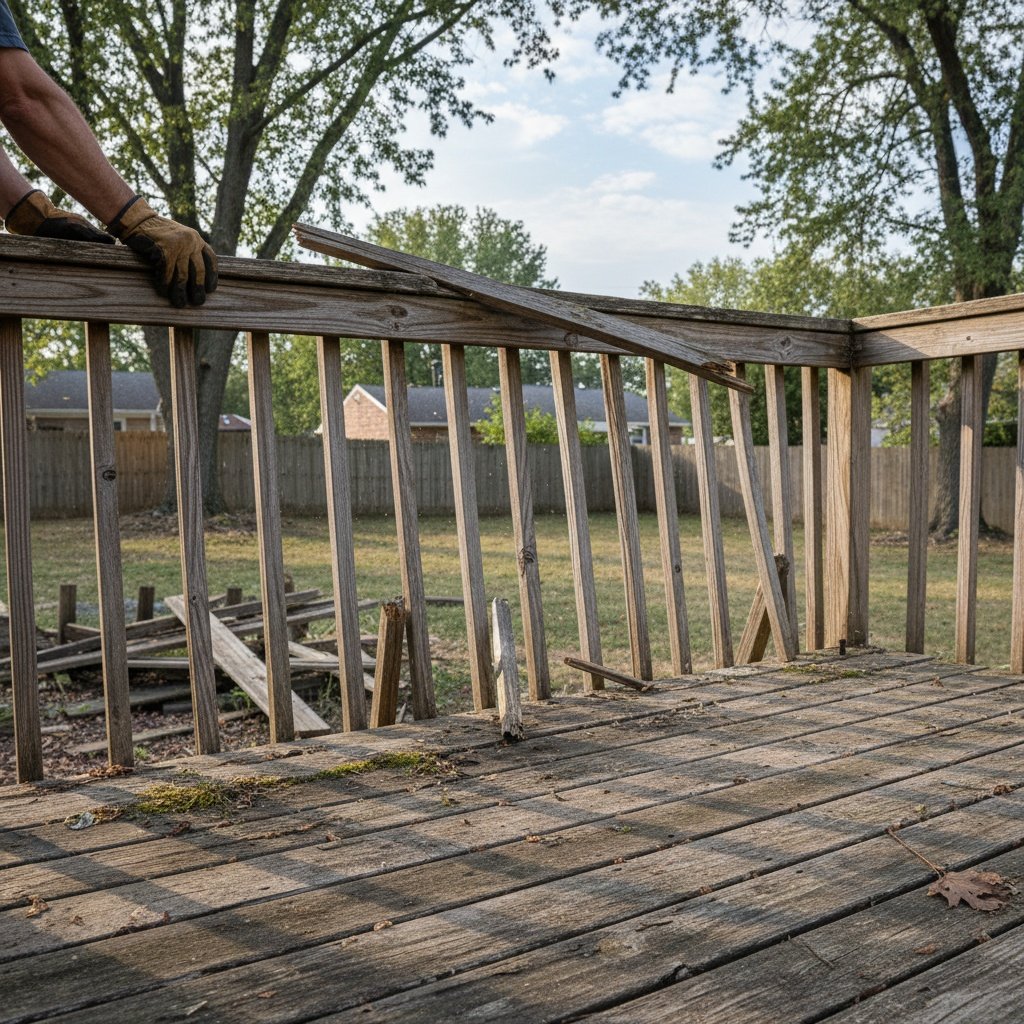
Deck railings protect your family and guests from falls while adding curb appeal to your outdoor space. Recognizing when your deck needs new railings can prevent injuries, avoid code violations, and maintain your home’s value. Loose posts, rotted wood, rust, and wobbly balusters are clear indicators that replacement is overdue.
Why Deck Railing Safety Matters
A compromised railing system poses serious fall risks, especially on elevated decks. Massachusetts building codes require railings on any deck surface more than 30 inches above grade, and those railings must support significant lateral force. When structural integrity declines, your deck becomes a liability rather than an asset.
Insurance claims related to deck accidents have increased over the past decade, with failing railings cited as a primary factor. Beyond safety, deteriorating railings signal to potential buyers that maintenance has been deferred, directly impacting resale value.
Structural Movement and Loose Posts
The first sign many homeowners notice is movement. If you can grasp the top rail and rock it back and forth more than a quarter inch, the connection points have weakened. This movement typically starts at the post-to-deck connection, where water infiltration causes the fasteners or wood to fail.
Test each post individually by applying firm pressure away from the deck. Solid railings should feel completely rigid. Any give indicates that the mounting hardware has loosened or the structural wood has compromised. This is particularly common in older installations where lag screws were used without proper blocking or backing.
Wood Rot and Decay Patterns
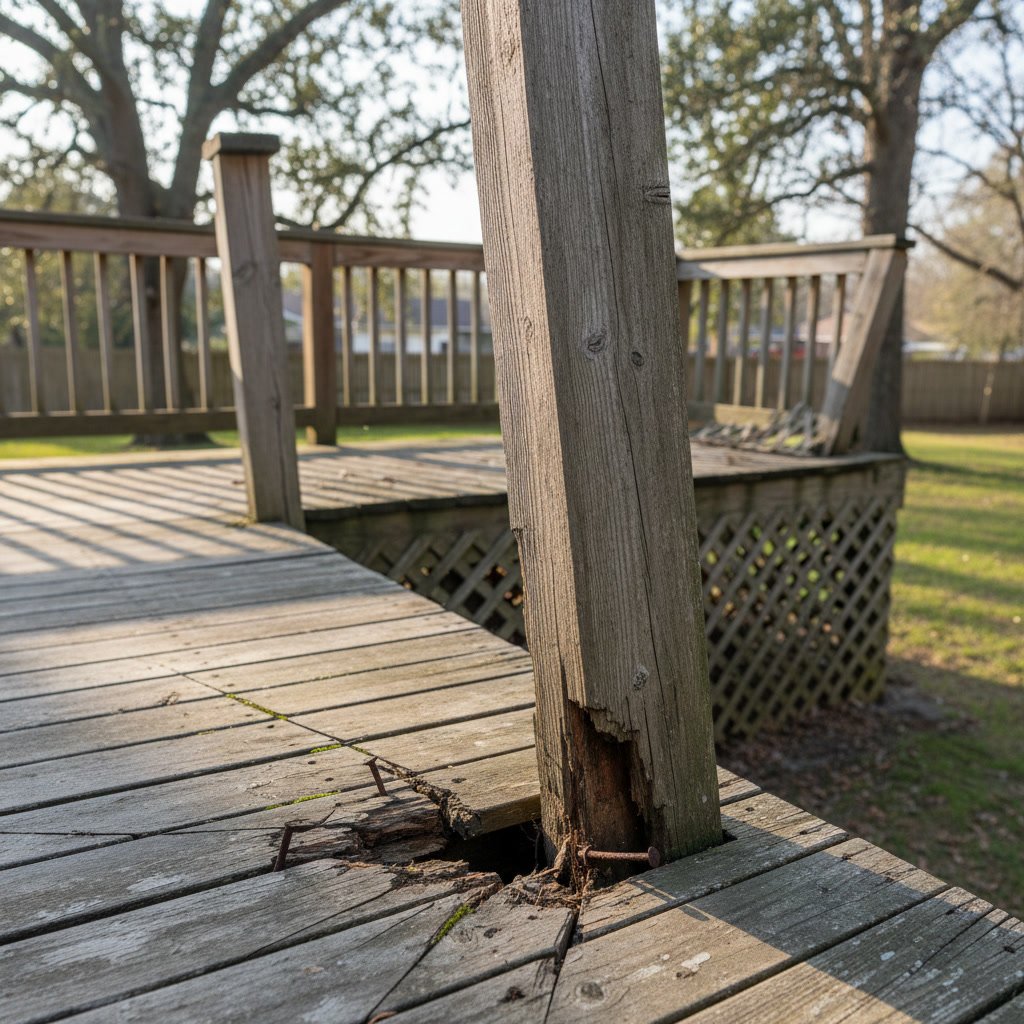
Wood rot begins where moisture accumulates and cannot escape. On railings, vulnerable spots include the base of posts where they meet the deck surface, the underside of horizontal rails, and any end grain exposed to weather. Use a flathead screwdriver to probe suspect areas. If the wood feels spongy or the tool sinks in easily, rot has taken hold.
Pressure-treated lumber resists rot better than untreated wood, but even treated material fails when the protective barrier is breached through cuts, cracks, or fastener holes. Once rot starts, it spreads through the grain, weakening the entire member even if surface damage appears minor.
Rust, Corrosion, and Metal Fatigue
Metal railings face different challenges. Aluminum and vinyl-coated steel resist corrosion, but wrought iron and standard steel railings rust when their protective coating fails. Surface rust may seem cosmetic, but it indicates ongoing deterioration that compromises strength.
Check welds and connection points carefully. Corrosion concentrates where dissimilar metals contact each other or where water pools in joints. Small rust spots expand rapidly, and once metal loses 20 percent of its original thickness, structural capacity drops significantly. Professional railings installation uses marine-grade fasteners and proper flashing to prevent these issues.
Code Compliance Issues in Marlborough Homes
Building codes evolve, and railings installed 15 or 20 years ago may no longer meet current standards. Massachusetts now requires railings to withstand a 200-pound concentrated load or a 50-pound-per-linear-foot distributed load applied horizontally. Baluster spacing cannot exceed four inches, preventing small children from slipping through.
If your home was built before 2000, there is a strong chance your railings do not meet these requirements. When you sell or refinance, inspectors flag code violations, forcing updates before closing. Addressing these proactively avoids delays and gives you control over material selection and contractor choice.
Splintering, Cracking, and Surface Damage
Surface defects warn of deeper problems. Splintering occurs when wood fibers break down from UV exposure and moisture cycling. These splinters create injury hazards, especially for children running hands along rails. Cracks in wood railings allow water to penetrate, accelerating rot from the inside out.
Paint or stain peeling off in large sections indicates the substrate has lost its ability to hold finishes, usually from moisture damage or age-related breakdown. Re-coating may buy a season or two, but if the wood underneath is compromised, the finish will fail again quickly.
Wobbly Balusters and Spacing Problems
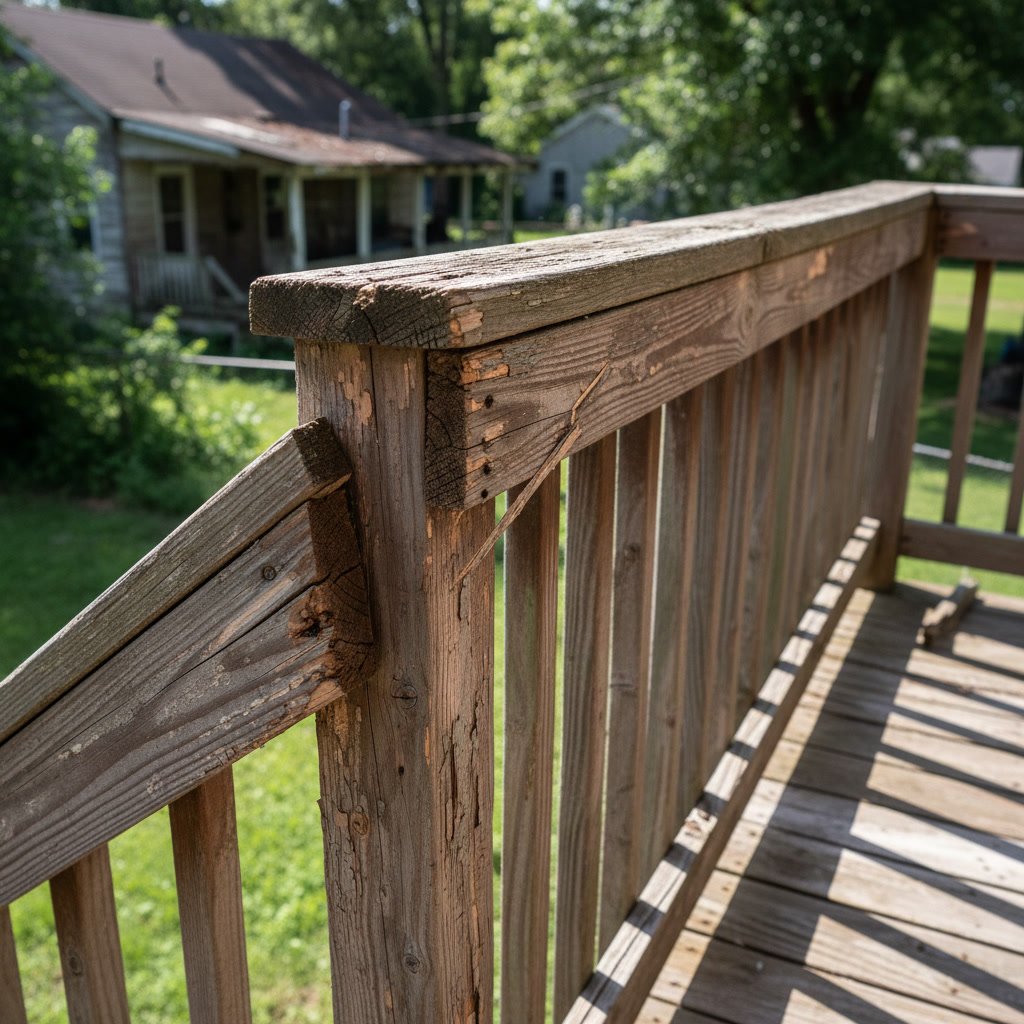
Individual balusters should be firmly secured at top and bottom. Grab each one and try to wiggle it side to side. Loose balusters compromise the entire railing’s strength because load distributes unevenly. This problem stems from undersized fasteners, stripped screw holes, or rot at connection points.
Measure the gap between balusters at several points along the railing. If spacing exceeds four inches anywhere, a child’s head could pass through, creating an entrapment hazard. Older deck designs sometimes used six-inch spacing, which no longer meets code. Replacing outdated systems with compliant railings protects your family and satisfies insurance requirements.
Comparing Repair Versus Replacement Options
Minor issues like a single loose post or a few damaged balusters can sometimes be repaired. However, widespread problems across multiple posts or sections typically mean the entire system has reached the end of its service life. Attempting piecemeal repairs on a failing system wastes money and leaves safety gaps.
Consider these factors when deciding:
- If more than 30 percent of components show damage, replacement is more cost-effective than extensive repairs
- Mismatched repairs create visual inconsistency and may not integrate structurally with older materials
- New railing systems come with warranties and meet current codes, eliminating future compliance concerns
- Modern materials like composite or aluminum offer longer lifespans with minimal maintenance compared to older wood systems
Homeowners looking to understand the full scope of deck maintenance should review guidance on repair versus replacement decisions to make informed choices.
Material Selection for Replacement Railings
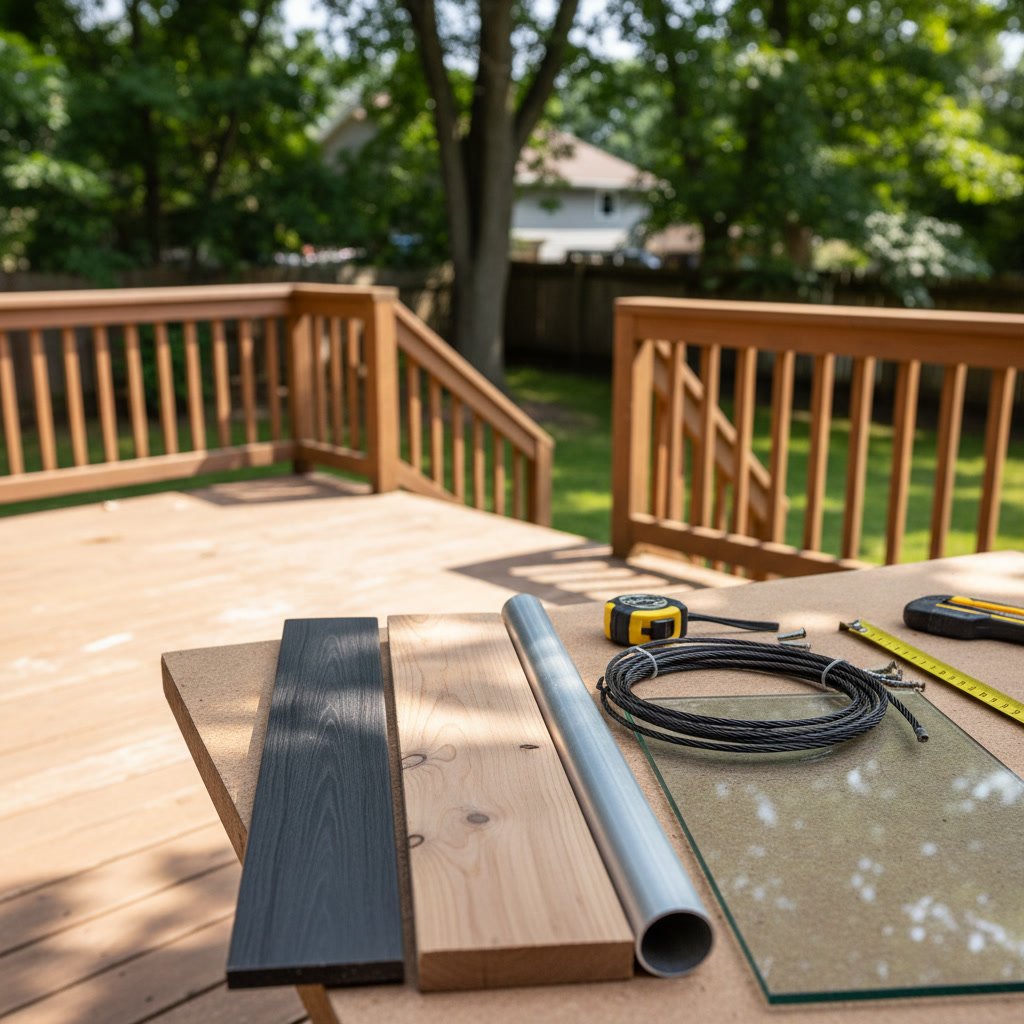
Replacement offers an opportunity to upgrade materials. Traditional wood railings require regular staining and sealing but provide classic aesthetics. Composite railings eliminate maintenance while offering wood-like appearance. Aluminum and vinyl systems resist weather and never need painting, though they cost more upfront.
Cable railings have gained popularity for unobstructed views, using stainless steel cables tensioned between posts. Glass panel systems provide wind protection and clear sightlines but require cleaning to maintain clarity. Each material has optimal applications depending on your deck’s exposure, usage patterns, and budget.
When choosing materials, factor in the local climate. Homes in Framingham and Natick face humid summers and harsh winters, so durability matters as much as appearance. Understanding typical costs for railing installation in Massachusetts helps set realistic budgets for quality materials that last.
The Inspection and Replacement Process
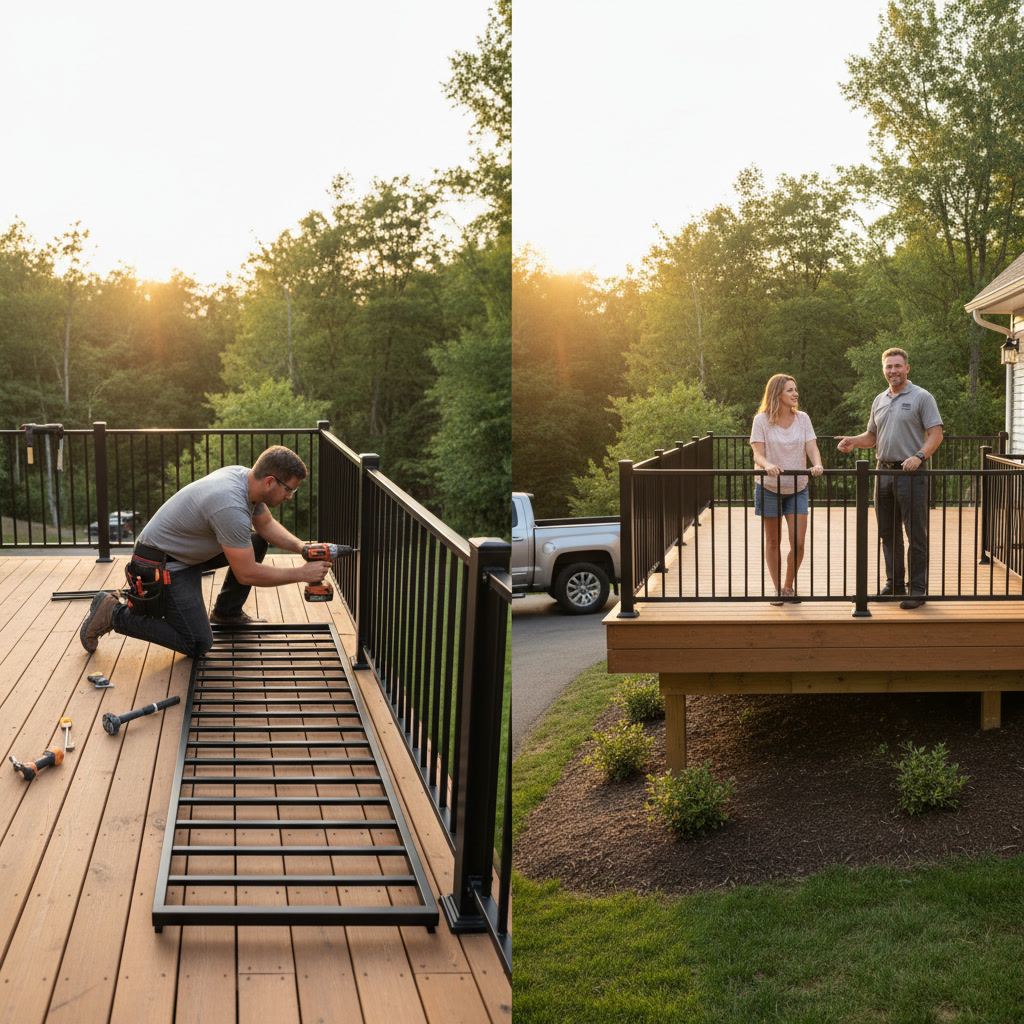
Professional railing replacement begins with a thorough inspection of not just the railings but the deck structure they attach to. Contractors check rim joists, ledger boards, and decking near post locations because railings rely on solid backing for proper installation. Discovering deck frame damage during railing work is common, since water that damages railings often affects the deck itself.
Licensed contractors pull permits for railing replacement, ensuring work meets building codes and passes inspection. This documentation protects you during home sales and insurance claims. The replacement process typically takes one to three days depending on deck size, with minimal disruption to your home’s interior.
Protecting Your Investment and Family
Ignoring failing railings puts everyone at risk and exposes you to liability if someone is injured on your property. Addressing problems promptly costs less than emergency repairs after an accident or code enforcement action. Regular inspections catch issues early, when simple interventions prevent major failures.
Schedule annual railing checks each spring before heavy deck usage begins. Look for the warning signs covered here: movement, rot, rust, code violations, and surface damage. Document findings with photos and notes to track deterioration over time. When problems appear, consult with experienced professionals who understand both structural requirements and local building codes.
Make Safety a Priority
Deck railings serve a critical safety function that cannot be compromised. Movement, rot, corrosion, code violations, and widespread damage all signal that replacement is necessary. Acting on these warnings protects your family, maintains your home’s value, and ensures compliance with current building standards.
ANJO Home Improvement Inc brings over a decade of experience to deck and railing projects throughout Massachusetts. Our team understands the unique challenges of New England weather and builds systems designed to last. From structural assessment through final inspection, we handle every detail with the craftsmanship and attention your home deserves. Contact us at +17745056597 to schedule a free railing evaluation and discuss the best solutions for your deck.