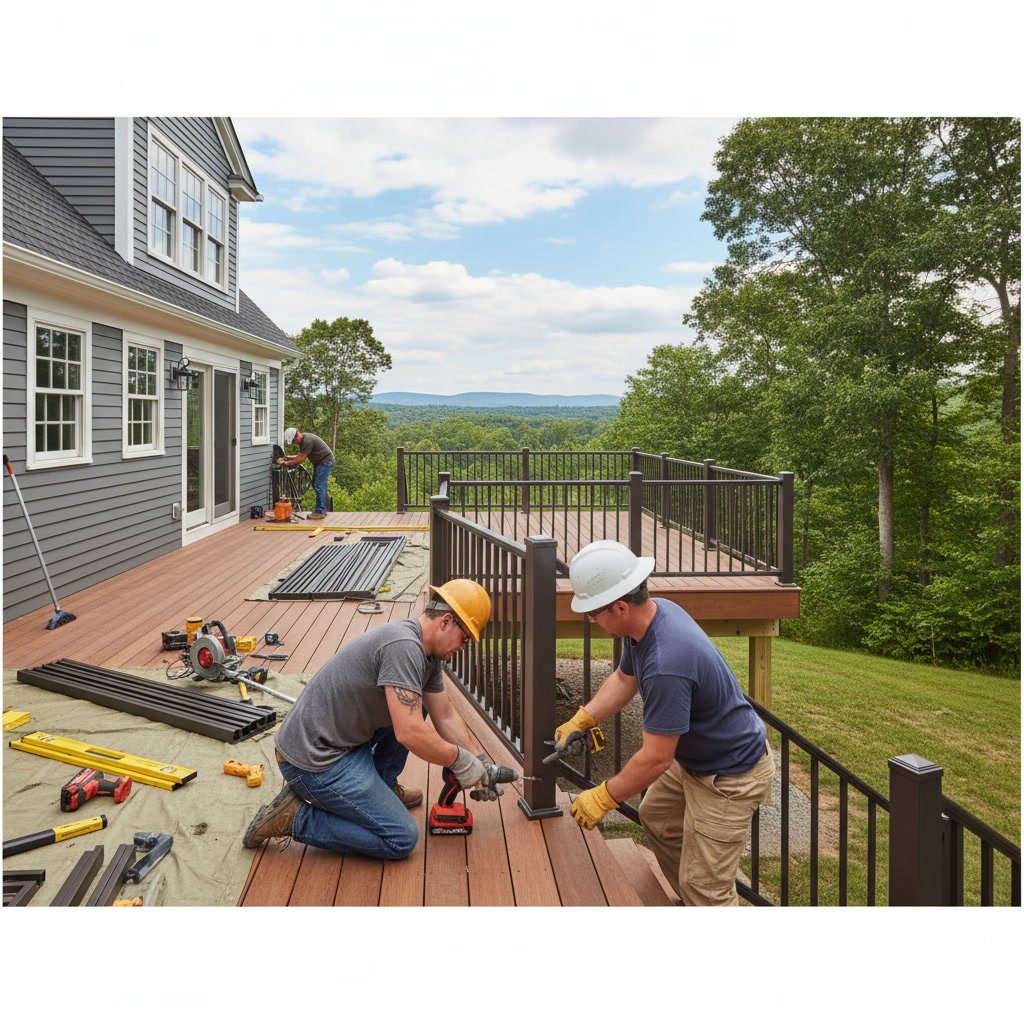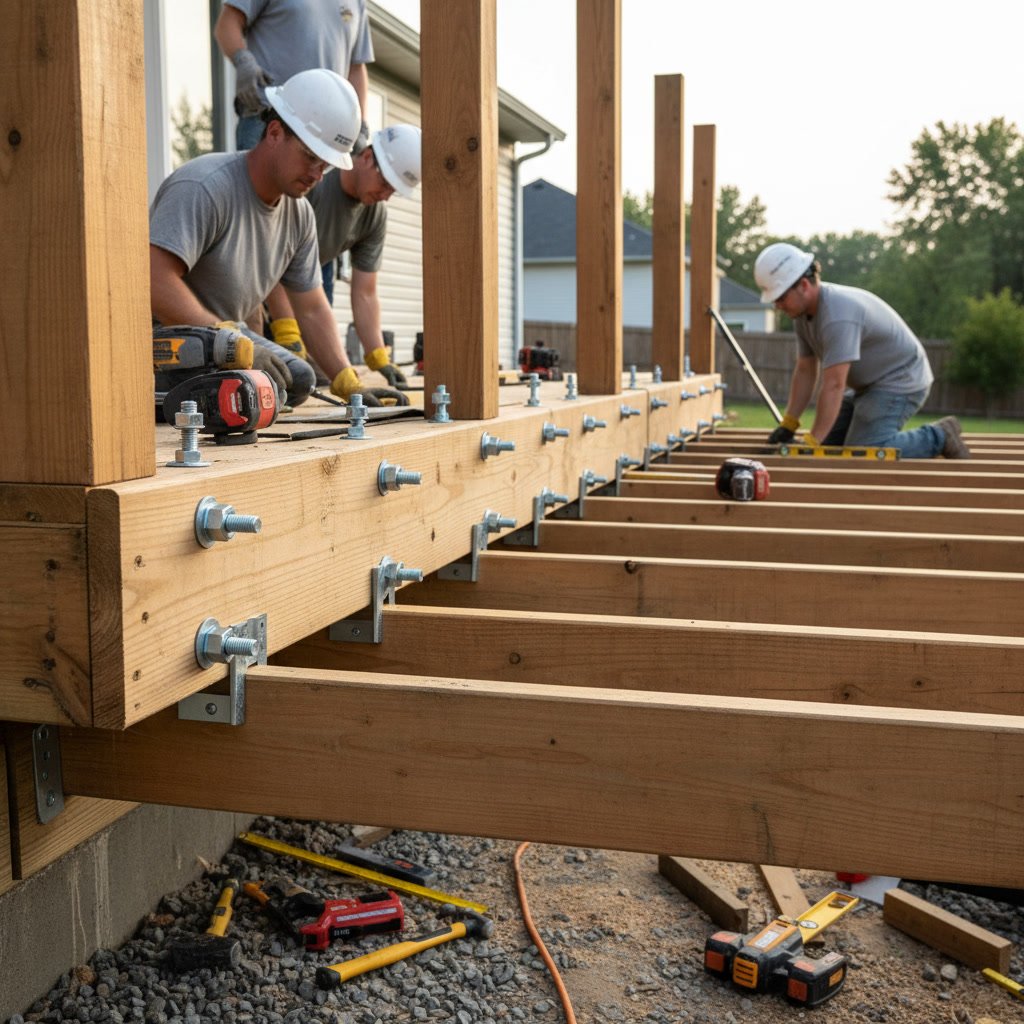
Proper deck ledger board attachment is the single most critical factor in preventing deck collapse. When installed correctly with the right fasteners, flashing, and spacing, a ledger board creates a secure connection between your deck and home structure that can support thousands of pounds safely. Improper installation or deterioration of this connection is responsible for the majority of catastrophic deck failures that injure thousands of people every year.
Why Decks Collapse at the Connection Point
Most deck collapses happen at the ledger board, the horizontal beam that attaches the deck directly to your house. This single board carries roughly half the total weight of your deck, including people, furniture, and snow loads. When families gather on a deck during summer barbecues or parties, the forces on this connection multiply dramatically.
The ledger typically fails because of three common errors: using incorrect or insufficient fasteners, failing to install proper flashing that allows water to rot the connection, or attaching the board to unsuitable materials like vinyl siding or exterior sheathing instead of solid structural members. Each of these mistakes weakens the connection over time until the deck suddenly pulls away from the house.
Understanding the Forces Acting on Your Deck
A typical 12-by-16-foot deck must support approximately 4,800 pounds of live load according to building codes, which assume 50 pounds per square foot. Add the weight of the deck structure itself, and the ledger connection routinely handles several thousand pounds of force pulling away from the house.
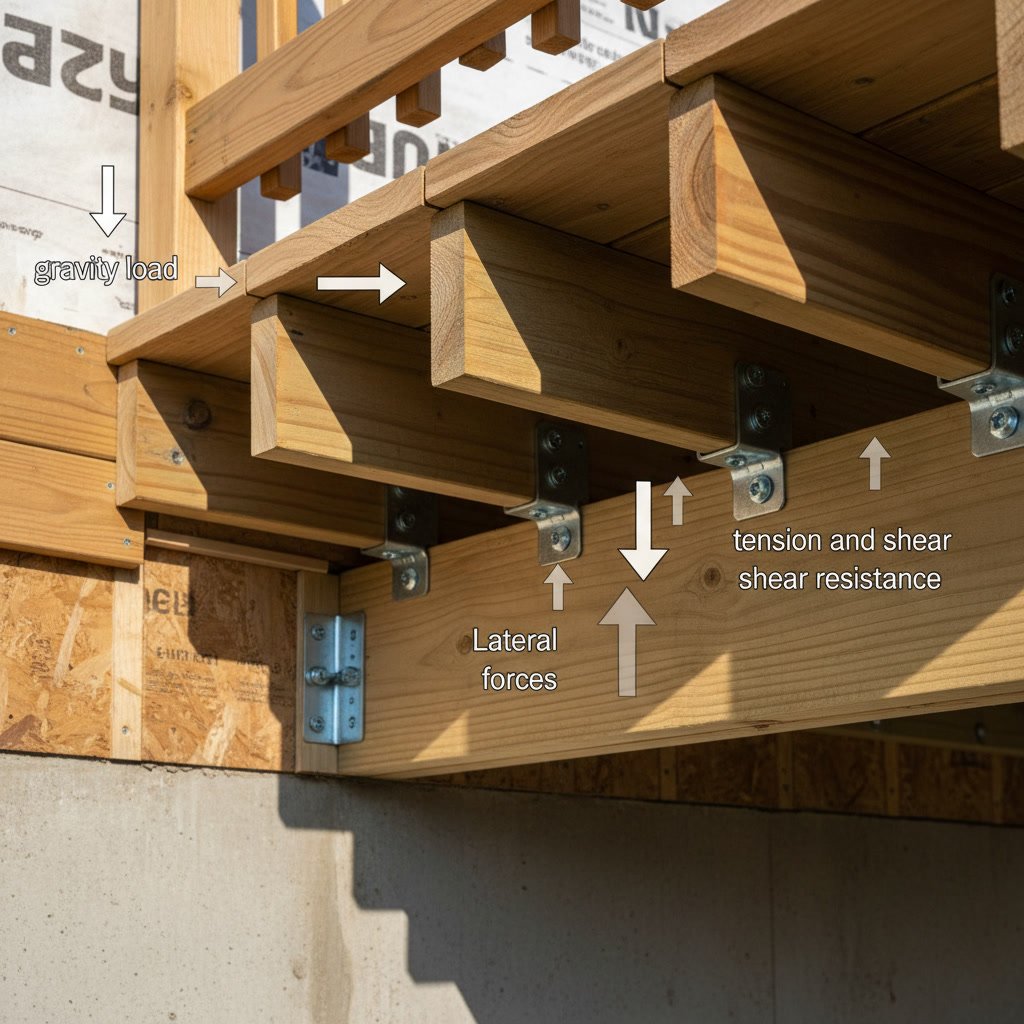
These forces create a shearing action on the fasteners and a pulling action on the ledger board. Without proper attachment, the fasteners can bend, pull out, or snap. The International Residential Code requires specific fastener spacing and types precisely because engineers have calculated the forces involved and designed systems that resist them safely.
The Right Fasteners Make All the Difference
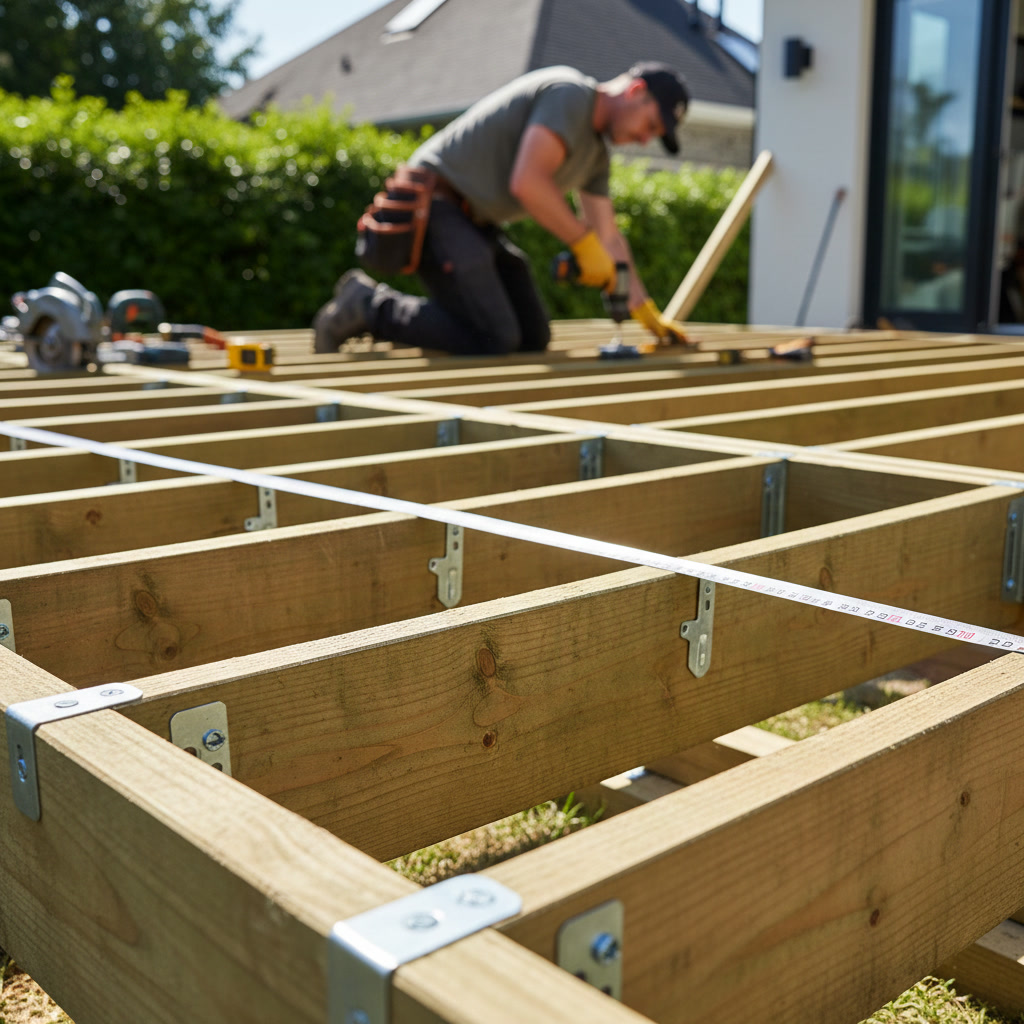
Building codes require either half-inch diameter lag screws or half-inch through-bolts spaced no more than 16 inches apart along the ledger. Nails, wood screws, and standard construction screws cannot safely handle the forces involved, yet inspectors routinely find decks attached with inappropriate fasteners.
Galvanized or stainless steel fasteners resist corrosion that would otherwise weaken the connection. Each fastener must penetrate at least 1.5 inches into the house’s solid band joist or floor framing, not just the rim joist or exterior sheathing. Professional deck installation requires removing siding to access these structural members directly.
How Flashing Prevents Hidden Rot
Even perfectly installed fasteners will fail if water rots the wood around them. Metal flashing installed above the ledger board diverts water away from the critical connection, preventing moisture from seeping between the ledger and the house where it cannot dry.
The flashing must extend up behind the house wrap or building paper, then out over the top edge of the ledger. Many older decks lack flashing entirely, while others have it installed incorrectly, trapping water instead of shedding it. This hidden moisture creates decay that homeowners cannot see until the damage becomes severe.
Proper Installation Steps for Marlborough Area Homes
Installing a ledger board correctly requires removing a section of siding to expose the band joist. The ledger should be pressure-treated lumber sized appropriately for the deck span, typically a two-by-10 or two-by-12 board. After marking fastener locations every 16 inches, installers drill pilot holes through the ledger and into the band joist to prevent splitting.
Lag screws require washers and must be tightened firmly but not over-tightened, which can crush the wood fibers and reduce holding power. Through-bolts require access to the interior basement or crawl space to install nuts and washers on the opposite side. This extra step provides superior holding strength compared to lag screws because the force distributes across a larger area.
After fastening, installers apply self-adhesive flashing tape along the top edge of the ledger, extending up the wall surface. Metal Z-flashing goes on top, tucked under the siding and lapped over the tape. This double-layer system provides reliable long-term protection against water infiltration.
When Ledger Board Attachment Is Not Possible
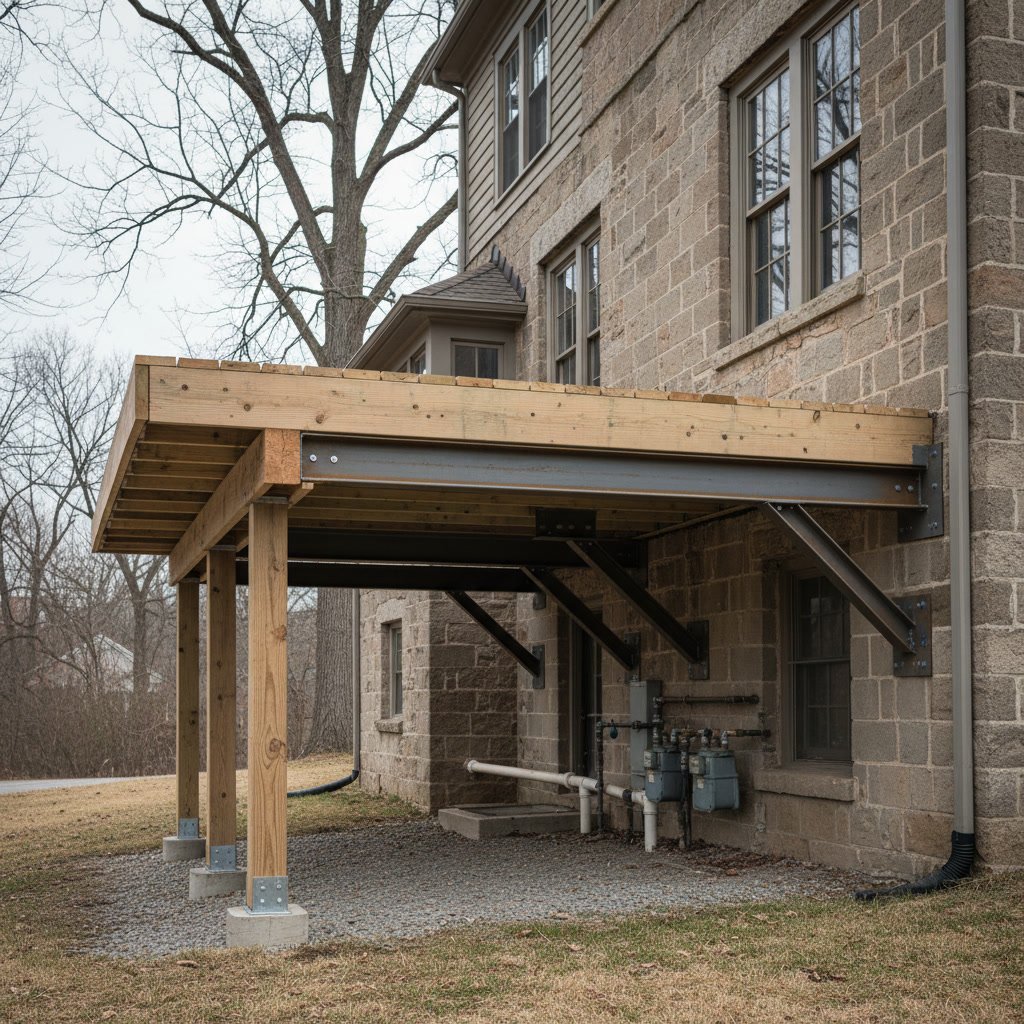
Some homes have exterior walls that cannot safely support a ledger board. Brick veneer, stone veneer, and certain types of engineered floor systems require alternative attachment methods or fully freestanding deck designs that do not connect to the house at all.
Attaching to brick veneer is particularly dangerous because the veneer itself is only one layer of brick held to the structural wall with metal ties. It cannot support deck loads. In these situations, experienced deck builders design the deck with additional support posts near the house to eliminate reliance on ledger attachment.
Inspecting Your Existing Deck Connection
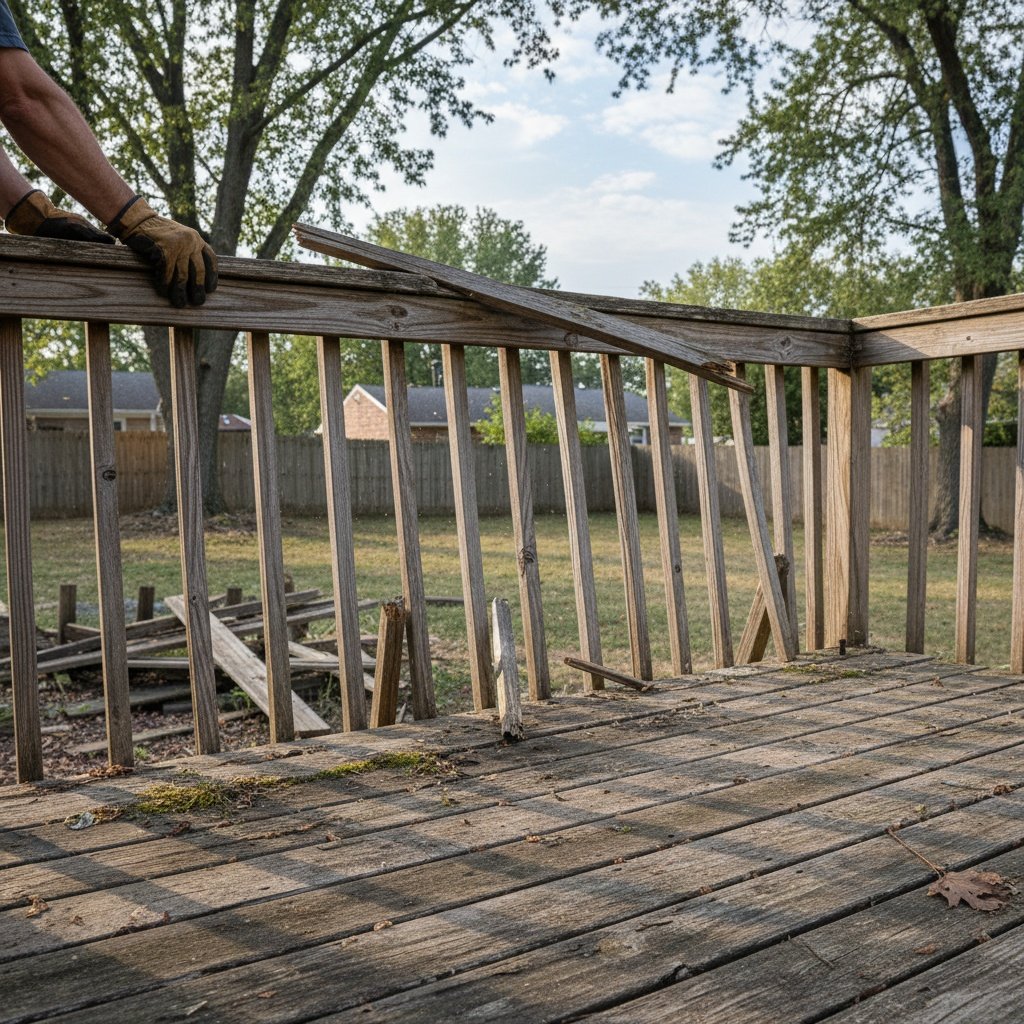
Homeowners should inspect their deck ledger connection annually, especially on decks more than 10 years old. Look for visible rust stains around fasteners, gaps between the ledger and the house, or soft spots in the wood that indicate rot. From inside your basement, check whether you can see the back of through-bolts with washers and nuts, or whether lag screws were used instead.
Push firmly against the house at the ledger connection while standing on the deck. Any movement, creaking, or separation indicates a problem requiring immediate professional evaluation. Small gaps can widen quickly, and connections that seem slightly loose can fail catastrophically under the weight of a crowd.
Many homeowners in areas like Framingham and Newton discover ledger problems only when selling their home and the inspection reveals code violations. Addressing these issues proactively prevents emergency repairs and maintains your home’s value.
Code Requirements and Building Permits
Massachusetts building codes require permits for most deck construction and replacement projects. These permits trigger inspections that verify ledger board attachment meets current safety standards. Even if your deck was built years ago when codes were less strict, upgrading to current standards provides dramatically better safety.
Building inspectors specifically check ledger fastener type, spacing, and penetration depth. They verify flashing installation and ensure the ledger attaches to structural members, not just sheathing. Decks that pass inspection have documented compliance with engineering standards designed to prevent collapse.
Some jurisdictions require engineers to design and stamp plans for larger decks or those built on challenging sites. This professional oversight ensures the ledger attachment accounts for specific loading conditions and house construction details that affect safety. Understanding deck construction costs helps homeowners budget appropriately for code-compliant work.
The Cost of Cutting Corners
Homeowners sometimes choose contractors based solely on price, but deck safety should never be compromised to save money. A properly attached ledger board costs only marginally more than an incorrect installation, yet the safety difference is enormous. The few hundred dollars saved by skipping flashing or using cheaper fasteners creates liability that far exceeds the initial savings.
When decks fail, the results often include serious injuries, property damage, and legal consequences. Insurance may not cover injuries if an inspection reveals the deck was not built to code. Choosing qualified professionals who follow building codes protects your family, guests, and investment.
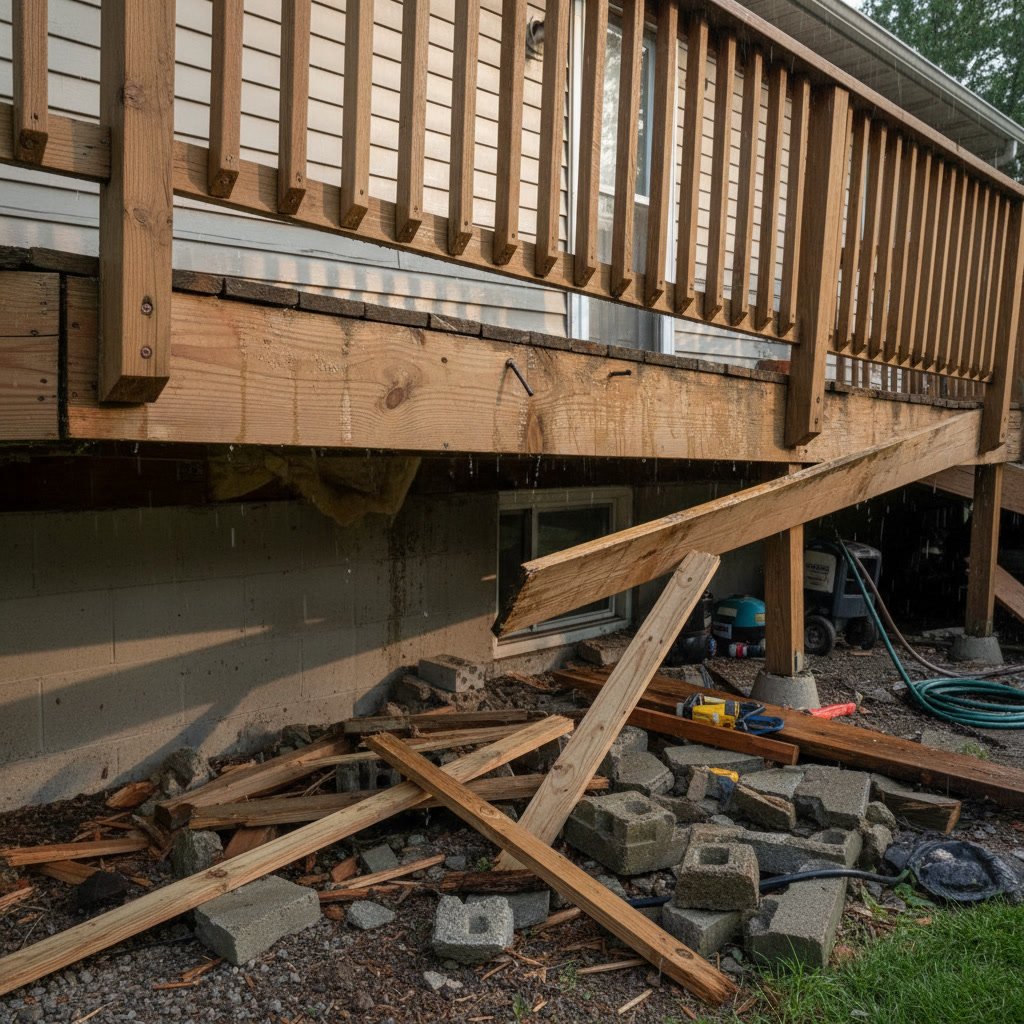
When to Consider Professional Deck Repair
If your deck shows any signs of ledger connection problems, professional deck repair services can assess the situation and recommend solutions. Sometimes the fix involves adding fasteners to meet current spacing requirements or installing flashing that was omitted during original construction. In other cases, extensive rot may require replacing the ledger board entirely.
Many homeowners wonder when to repair or replace their deck based on the extent of problems found. A compromised ledger connection often indicates other structural issues that may make replacement the more economical long-term choice. Professional evaluation provides clarity about the best path forward.
Protecting Your Investment and Your Family
Your deck represents a significant investment in your home’s functionality and value. Ensuring the ledger board connection meets current safety standards protects that investment while providing peace of mind every time family and friends gather on your deck. Regular inspection, prompt repairs, and professional installation when building new all contribute to decades of safe use.
The difference between a safe deck and a dangerous one often comes down to details invisible from the surface. Fastener type, spacing, depth, and flashing installation all work together to create a secure connection capable of handling real-world loads. Understanding these critical factors helps homeowners make informed decisions about deck construction and maintenance.
ANJO Home Improvement Inc brings decades of experience to every deck project, ensuring ledger boards and all structural connections meet or exceed Massachusetts building codes. Our licensed professionals understand the engineering principles behind safe deck construction and apply them consistently across every installation and repair. Whether your home is in Marlborough or surrounding communities, proper ledger board attachment forms the foundation of deck safety that protects your family for years to come.
If you have concerns about your deck’s structural integrity or want to ensure your next deck project meets the highest safety standards, contact ANJO Home Improvement Inc at +17745056597. Our team provides thorough inspections, detailed assessments, and professional installation that prioritizes safety and longevity in every project.