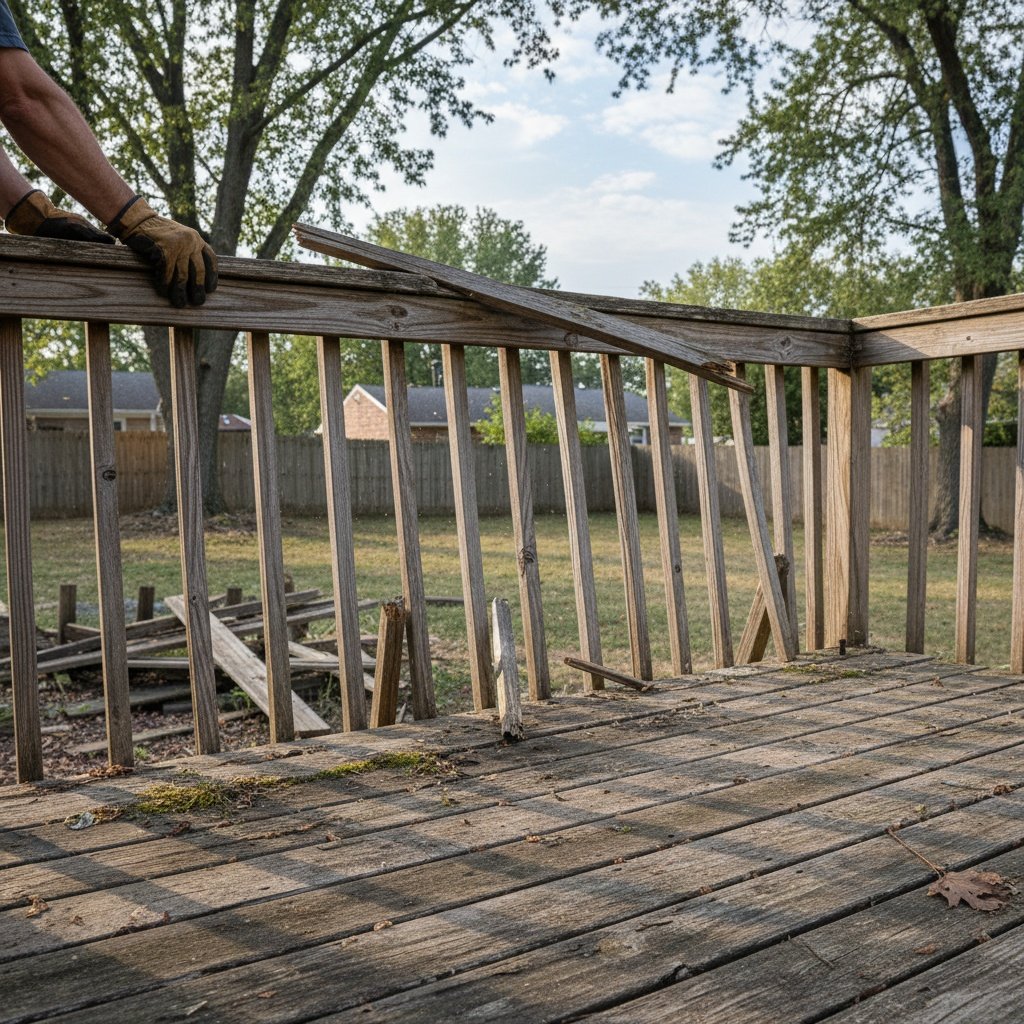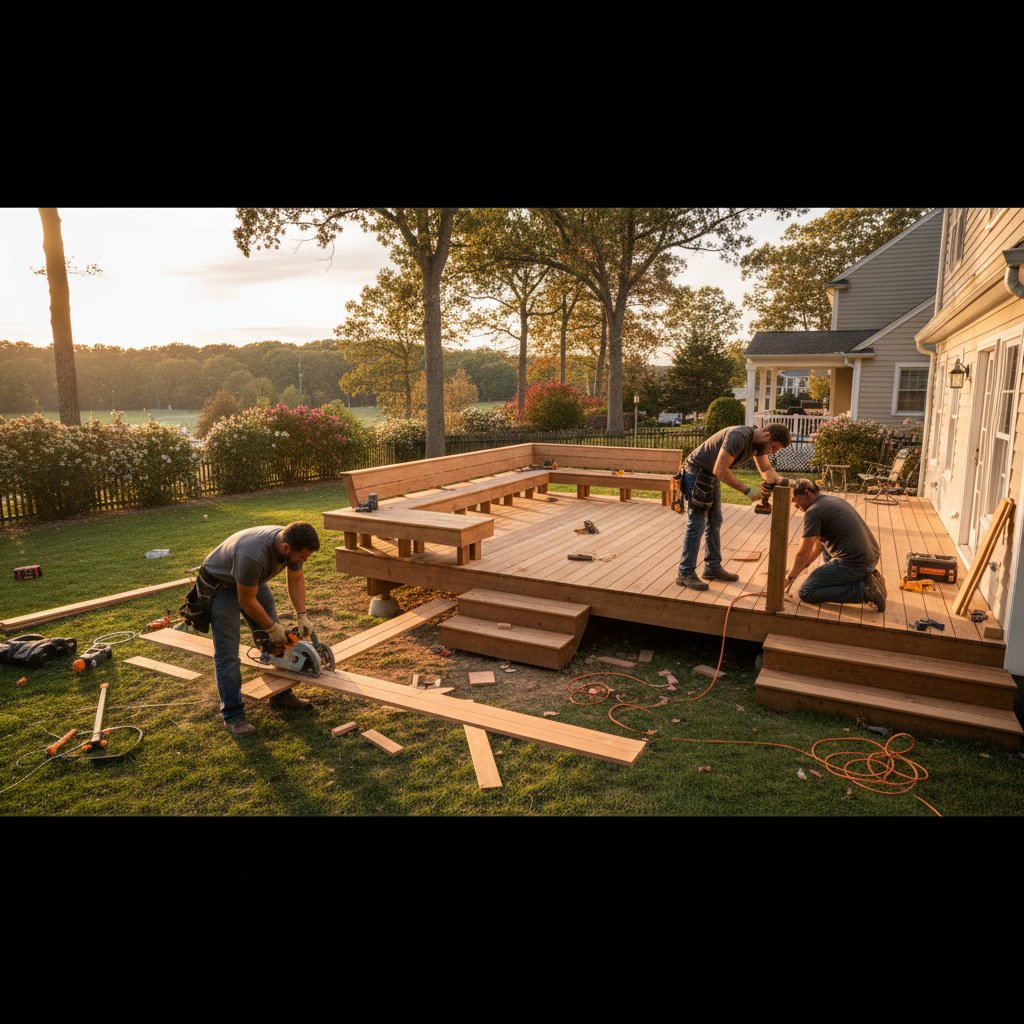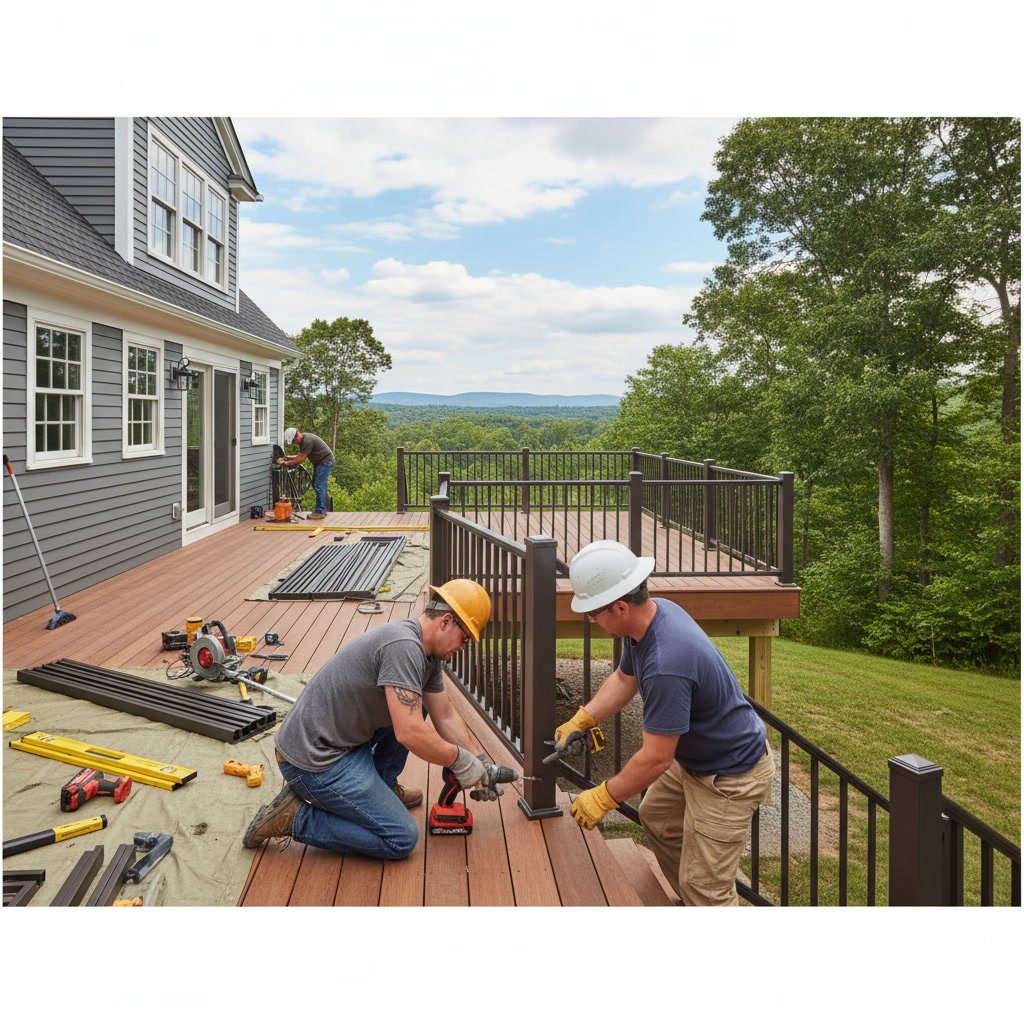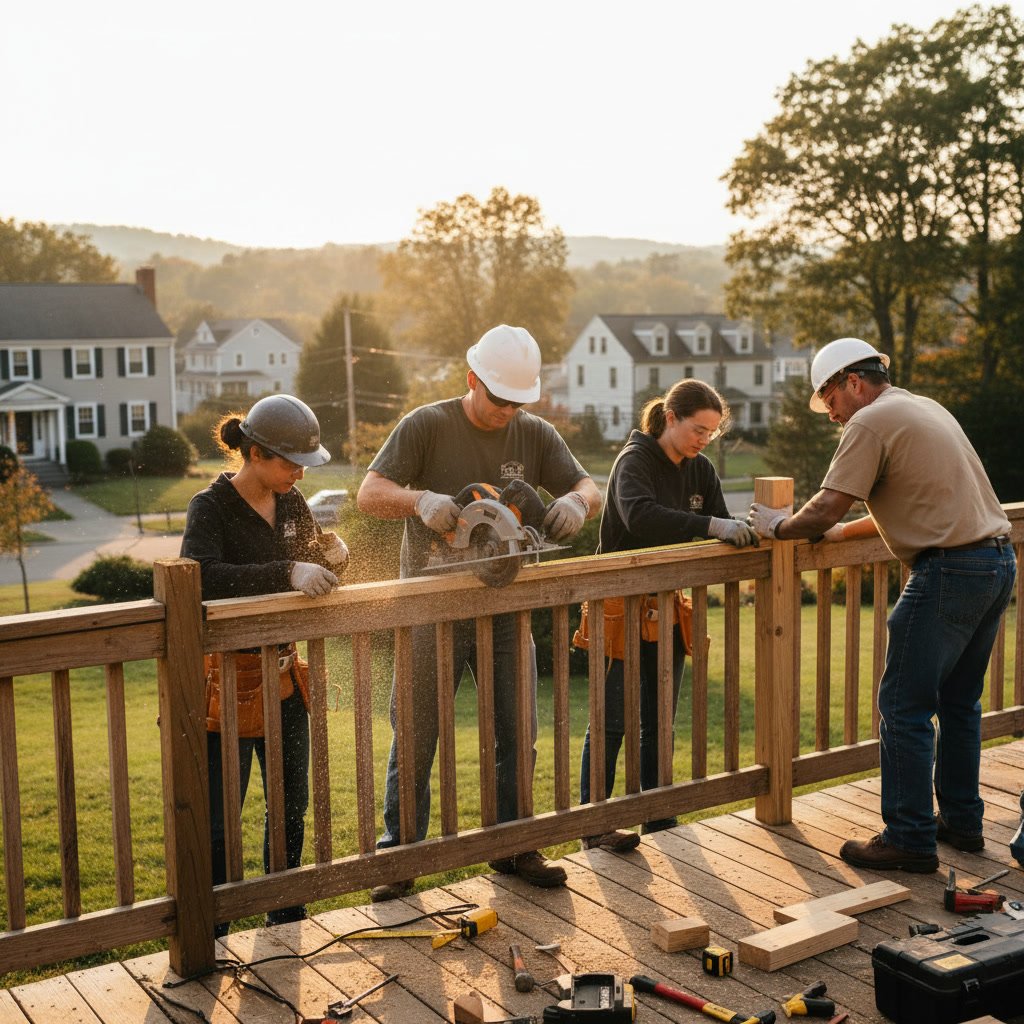
Your deck railing is showing signs of rot, or the balusters on your front porch are loose and wobbly. Now you need to figure out what railing repair cost you’re looking at in Worcester County before you start calling contractors. The answer depends on several factors including the type of material, the extent of damage, and local labor rates across central Massachusetts.
This guide breaks down typical repair costs for homeowners in Worcester County, explains what drives pricing up or down, and helps you decide whether repair or replacement makes better financial sense for your situation.
Average Railing Repair Costs in Worcester County
Most homeowners in Worcester County spend between $200 and $1,200 on railing repairs, with the average project running around $500 to $700. Simple fixes like tightening loose posts or replacing a few balusters fall on the lower end, while structural repairs or extensive sections of damaged railing push costs higher.
Material type makes a significant difference. Wood railing repairs typically cost $15 to $30 per linear foot for minor work and $30 to $60 per linear foot for major repairs. Vinyl railing repairs range from $20 to $40 per linear foot, while metal railings often run $25 to $75 per linear foot depending on whether you’re working with aluminum or wrought iron.
Composite railing repairs fall somewhere in the middle at $20 to $50 per linear foot. These materials resist rot and insect damage better than wood, but when damage does occur, replacement sections can be more expensive than wood alternatives.
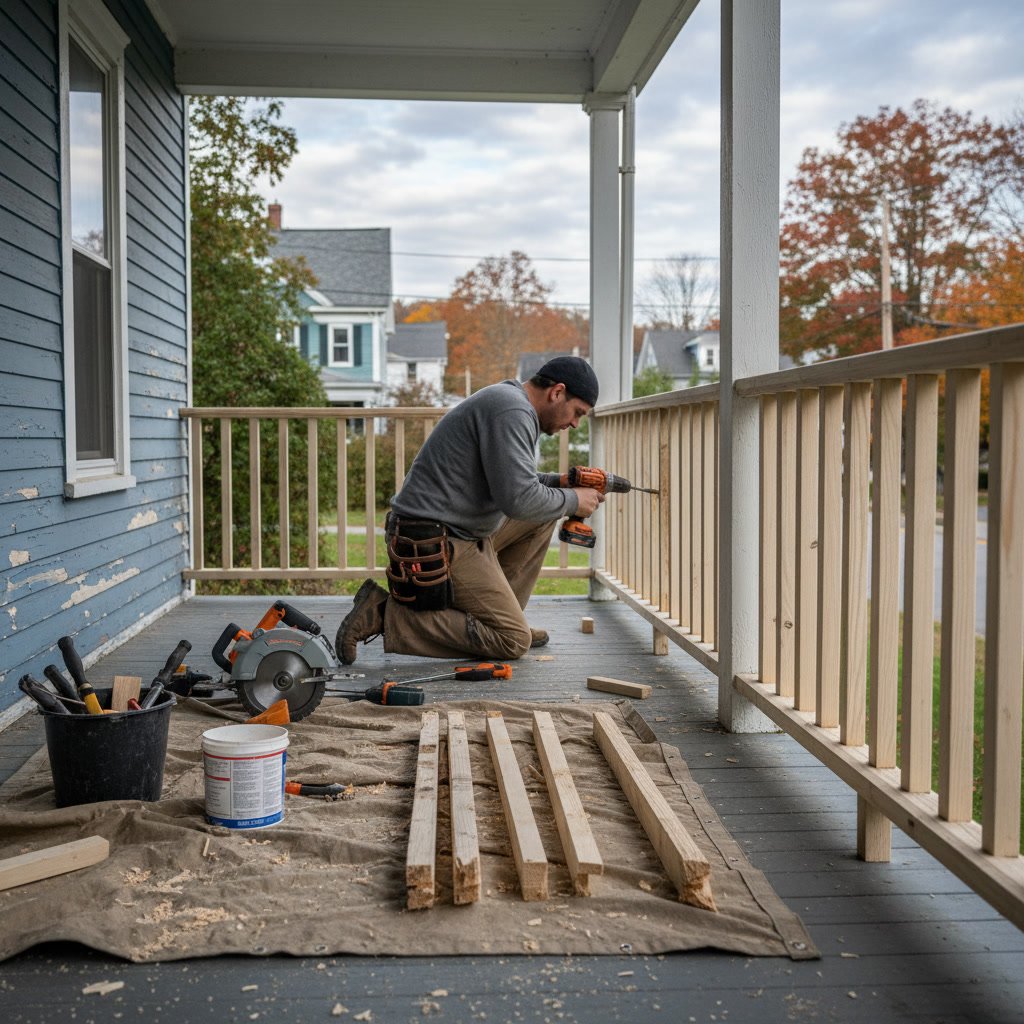
What Affects Your Railing Repair Cost
Several variables determine what you’ll actually pay for your specific repair project. Understanding these factors helps you budget accurately and communicate clearly with contractors.
Extent of Damage
Minor cosmetic issues like replacing one or two balusters cost significantly less than structural problems affecting posts or the entire top rail. If rot has spread into supporting posts or the ledger board attachment, you’re looking at a more complex repair that requires addressing underlying issues.
Water damage often extends beyond what’s visible. A contractor may discover additional rotted sections once they start removing damaged components, which can increase the final cost beyond initial estimates.
Material and Availability
Standard lumber and common vinyl profiles are readily available and affordable. Custom materials, specialty wood species like ipe or mahogany, or discontinued railing systems require special ordering and drive up both material and labor costs.
Matching existing materials perfectly sometimes proves difficult, especially with older installations. You may need to decide between a close match or replacing entire sections for consistency.
Labor and Accessibility
Labor rates for skilled carpenters and railing specialists in Worcester County typically range from $50 to $100 per hour. Projects that require working at height, navigating difficult access points, or coordinating with other trades increase labor time and costs.
A ground-level porch railing repair costs less than a second-story deck railing that requires scaffolding or specialized equipment. Geographic factors matter too, with communities like Wellesley or Weston sometimes seeing slightly higher labor rates than more rural areas.
Code Compliance
Massachusetts building codes require railings to meet specific height, spacing, and strength requirements. If your existing railing doesn’t meet current code, repairs may trigger the need to bring the entire system up to standard.
Baluster spacing must be no more than four inches apart to prevent small children from slipping through. Rails must withstand specific load requirements. These code requirements sometimes turn a simple repair into a more extensive project.
Common Railing Repairs and Their Costs
Different types of damage require different repair approaches and pricing structures. Here’s what you can expect for the most common railing issues homeowners face.
Replacing Individual Balusters
Replacing one to five balusters typically costs $75 to $200 including materials and labor. Wood balusters run $3 to $15 each depending on style and species. Metal balusters cost $10 to $40 each, while composite balusters range from $5 to $20 each.
The challenge often lies in matching existing balusters exactly. If your railing system is more than ten years old, finding identical replacements may require custom fabrication or ordering from specialty suppliers.
Repairing or Replacing Posts
Post repairs represent one of the more significant railing repair cost factors. A single post replacement runs $150 to $400 depending on material and whether the issue extends into the mounting hardware or deck structure.
Posts bear significant structural loads and must be properly anchored. Replacing a post often requires temporarily supporting the railing, removing the damaged post, addressing any underlying deck damage, and properly securing the new post to meet code requirements.
Fixing Loose or Wobbly Railings
Tightening loose connections and reinforcing wobbly sections typically costs $100 to $300. This work involves identifying failed fasteners, adding additional support brackets, or reinforcing mounting points.
Sometimes wobble indicates a more serious issue. If the deck ledger board has pulled away from the house or posts have rotted at the base, what seems like a simple tightening job becomes a structural repair project.
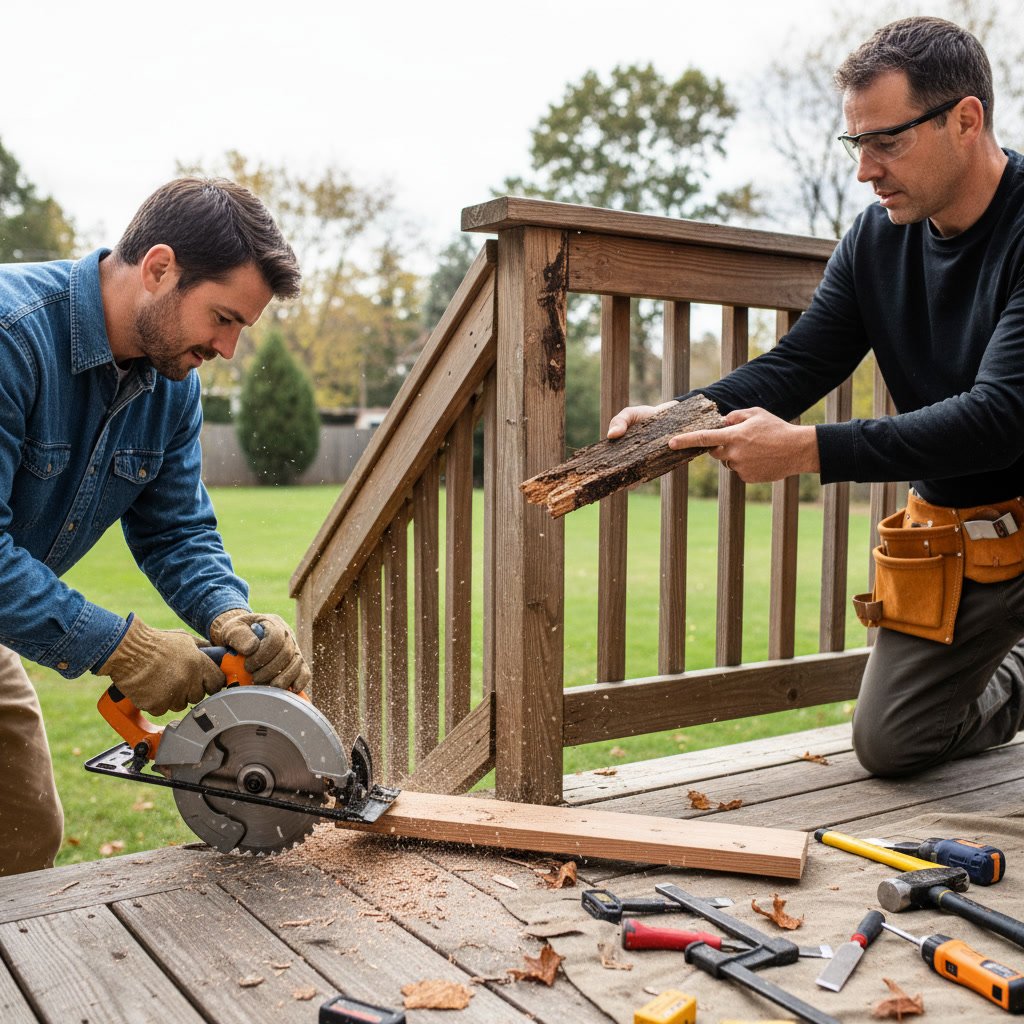
Repairing Rot Damage
Limited rot affecting one or two sections of top or bottom rail costs $200 to $600 to repair. Extensive rot requiring replacement of multiple rail sections, posts, or structural components can reach $1,000 to $2,500 or more.
Wood railings are particularly susceptible to rot where water collects, such as where horizontal rails meet posts or around fastener holes. Regular maintenance and proper sealing help prevent these issues, as discussed in our guide on when to repair or replace your deck.
Repair vs. Replace Decision
Not every damaged railing needs complete replacement, but sometimes replacement makes better financial sense than extensive repairs. Consider several factors when making this decision.
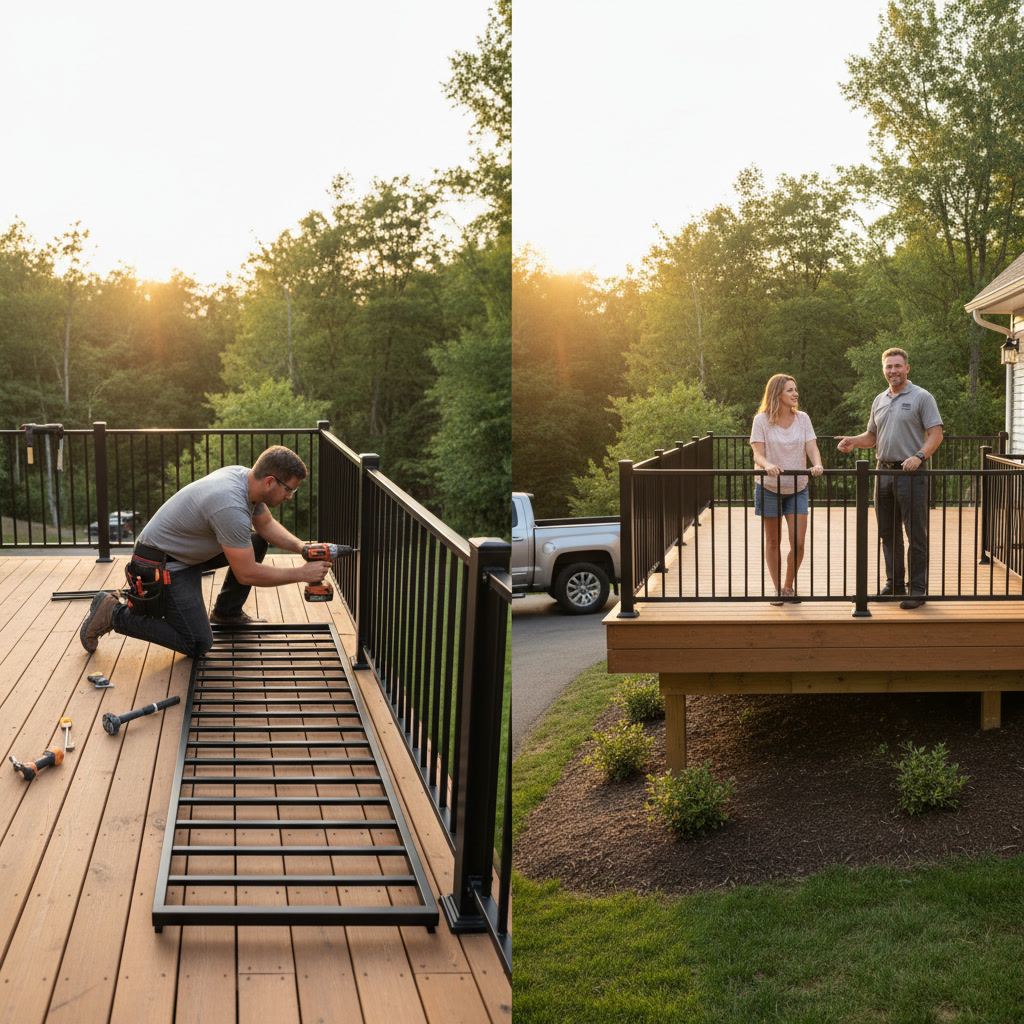
If repair costs exceed 50 percent of replacement costs, replacement often provides better value. You get a completely new system with warranty coverage and modern materials that require less maintenance.
Age matters significantly. A five-year-old railing system with minor damage is worth repairing. A 20-year-old system with multiple issues may be approaching the end of its useful life, making replacement the smarter choice.
Pro Tip: If you’re repairing more than 30 percent of your railing system, get quotes for both repair and full replacement. The price difference may be smaller than you expect, and replacement eliminates the patchwork appearance of extensive repairs.
Consider how repairs affect appearance. Replacing one or two balusters on a 40-foot railing usually blends well. Replacing entire sections creates visible lines between old and new materials, especially with wood that weathers and changes color over time.
Future maintenance costs also factor into the equation. If you’re tired of painting and staining wood railings every few years, switching to low-maintenance vinyl or composite during replacement saves time and money over the system’s lifetime.
Material-Specific Considerations
Each railing material has unique characteristics that affect both repair processes and costs. Understanding these differences helps you set realistic expectations.
Wood Railing Repairs
Wood remains popular for its natural appearance and workability. Pressure-treated pine offers the most affordable option, while cedar and redwood provide better rot resistance at higher costs.
Wood railing repairs are generally straightforward for experienced carpenters. Individual components can be easily replaced, and repairs blend reasonably well after the new wood weathers. However, wood requires ongoing maintenance including sealing, staining, or painting to prevent future damage.
Vinyl Railing Repairs
Vinyl railings rarely rot or require painting, but they can crack from impact or become brittle in extreme cold. Repairs typically involve replacing entire sections rather than individual components since vinyl parts are molded as complete units.
Color matching can be challenging. UV exposure causes vinyl to fade over time, and new sections may not match older sections perfectly even when using the same product line.
Metal Railing Repairs
Aluminum railings resist rust and require minimal maintenance but can dent or bend from impact. Repairs often involve straightening bent components or replacing damaged sections.
Wrought iron provides classic appearance and exceptional strength but requires regular painting to prevent rust. Rust damage requires grinding, priming, and repainting affected areas, with costs increasing if structural integrity is compromised.
Composite Railing Repairs
Composite materials combine wood fibers and plastic for durability and low maintenance. While resistant to rot and insects, composites can fade, stain, or sustain damage from impacts or excessive heat.
Repairing composite railings usually means replacing damaged sections. Most manufacturers offer warranties covering defects but not damage from accidents or misuse.
Finding Qualified Railing Repair Contractors
Working with experienced, licensed contractors ensures quality repairs that meet code requirements and last for years. ANJO Home Improvement Inc. holds Massachusetts licensing and full insurance, providing peace of mind for homeowners throughout Worcester County.
Request detailed written estimates from at least two or three contractors. Estimates should specify materials, labor costs, timeline, and warranty coverage. Be wary of quotes significantly lower than others, as they may indicate substandard materials or unlicensed work.
Check contractor credentials including licensing, insurance, and references. Massachusetts requires contractors performing work over $1,000 to hold a Home Improvement Contractor license. Verify coverage for both liability insurance and workers compensation.
Ask about experience with your specific railing material and type of damage. A contractor who primarily works with new deck installations may not have the same expertise in complex repairs as one who specializes in railing repair work.
DIY vs. Professional Railing Repair
Simple repairs like replacing one or two balusters or tightening loose fasteners fall within the skill range of handy homeowners. You’ll save on labor costs but need basic carpentry tools and some experience working with the specific material.
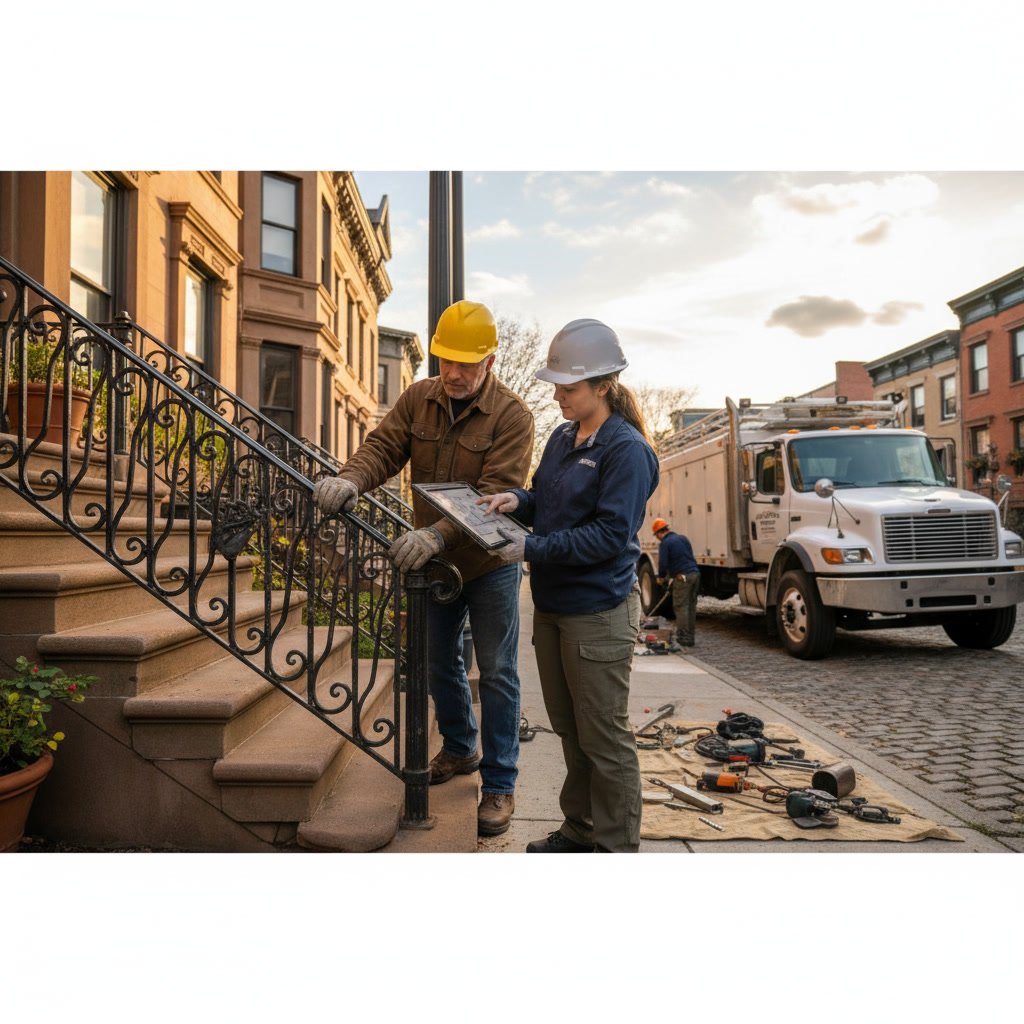
However, several situations call for professional help. Structural repairs affecting posts, ledger boards, or deck framing require expertise to ensure proper support and code compliance. Working at heights above eight feet increases safety risks significantly.
Code compliance represents another consideration. Professional contractors understand local requirements and obtain necessary permits when required. DIY repairs that don’t meet code can create liability issues and complicate future home sales.
Consider the time investment too. A professional completes most railing repairs in one to three days. DIY projects often stretch over multiple weekends, especially when sourcing materials or correcting mistakes.
Preventing Future Railing Damage
Regular maintenance extends railing life and minimizes repair costs. Simple steps make a significant difference in how long your railings remain safe and attractive.
Inspect railings twice yearly, checking for loose connections, rot, rust, cracks, or other damage. Catching problems early prevents minor issues from becoming major repairs. Pay special attention to areas where water collects or where different materials meet.
Keep wood railings sealed or painted. Water penetration is the primary cause of wood railing failure. Reapply sealant or stain every two to three years, or whenever water stops beading on the surface.
Clean railings annually to remove dirt, mildew, and debris. Vinyl and composite railings benefit from washing with mild soap and water. Metal railings should be checked for rust spots and touched up promptly.
Address drainage issues around deck and porch areas. Water pooling against posts or railings accelerates deterioration. Ensure proper grading, working gutters, and adequate ventilation beneath decks.
Worcester County Area Considerations
Worcester County’s climate affects railing durability and repair needs. Cold winters with freeze-thaw cycles stress railing connections and can cause wood to crack or split. Heavy snow loads test structural integrity, especially on older systems not designed for current code requirements.
Humidity during summer months promotes mold and mildew growth on wood and composite railings. Areas with mature trees experience additional moisture from shade and organic debris accumulation.
Communities throughout Worcester County including Worcester, Framingham, Shrewsbury, and surrounding towns have varying permit requirements for railing work. Most municipalities require permits for structural repairs or complete replacements but not for minor repairs like replacing individual balusters.
Frequently Asked Questions
How long do railing repairs typically last?
Properly executed railing repairs should last as long as the surrounding original components, typically 10 to 20 years for wood and 20 to 30 years for composite or vinyl. The key is using quality materials, proper installation techniques, and maintaining the entire system regularly.
Does homeowners insurance cover railing repair costs?
Insurance typically covers railing damage from covered perils like storms, falling trees, or vehicle impacts, but not damage from normal wear, rot, or deferred maintenance. Review your policy and document damage thoroughly when filing claims.
Can I repair just part of my railing or do I need to replace the whole thing?
Partial repairs work well when damage is localized and the rest of the system remains structurally sound. However, if multiple sections show damage or the system is over 20 years old, full replacement often provides better value and appearance than extensive piecemeal repairs.
Do railing repairs require permits in Massachusetts?
Minor repairs like replacing a few balusters typically don’t require permits. Structural repairs affecting posts, replacing large sections, or any work that modifies the railing system’s load-bearing capacity usually requires permits. Check with your local building department for specific requirements in your community.
How much does it cost to repair wrought iron railings compared to wood?
Wrought iron repairs typically cost 25 to 50 percent more than comparable wood repairs due to specialized welding and metalworking skills required. Simple rust remediation and repainting runs $30 to $60 per linear foot, while structural repairs requiring welding or component replacement can reach $75 to $150 per linear foot.
Getting Your Railing Repair Started
Understanding railing repair cost factors helps you budget appropriately and make informed decisions about repair versus replacement. Most Worcester County homeowners spend between $200 and $1,200 on railing repairs, with specific costs depending on material, extent of damage, and labor requirements.
ANJO Home Improvement Inc. provides professional railing repair and installation services throughout Worcester County and surrounding Massachusetts communities. Our licensed and insured team has extensive experience with all railing materials and can assess your situation to recommend the most cost-effective solution. Contact us at +17745056597 for a detailed estimate on your railing repair project.