Homeowners in Framingham often focus on big-picture remodeling decisions like layout changes and new fixtures, but overlook the details that truly make a space feel finished and high-quality. The best finish carpentry upgrades can distinguish a basic renovation from one that feels custom and polished. These carefully crafted details add character, boost home value, and create the kind of craftsmanship that buyers and guests notice immediately.
Whether you’re planning an interior renovation or adding finishing touches to a new space, understanding which carpentry elements deliver the most impact helps you allocate your budget wisely and achieve results that last.
What Makes Finish Carpentry Worth the Investment
Finish carpentry refers to the final woodwork installed after the basic structure is complete. Unlike rough carpentry that frames walls and floors, finish work includes trim, molding, built-ins, wainscoting, and other visible details that define a room’s character.
Quality finish carpentry upgrades offer several advantages beyond aesthetics. They hide gaps and imperfections where walls meet ceilings or floors, protect vulnerable corners and edges from damage, and add architectural interest to otherwise plain spaces. In Framingham’s competitive real estate market, these details can increase resale value by 5 to 10 percent or more when executed professionally.
The key is choosing upgrades that match your home’s style and your long-term plans. A colonial-style home benefits from traditional crown molding and paneled wainscoting, while a contemporary space might call for clean-lined built-ins and minimalist baseboards.
Crown Molding and Ceiling Details
Crown molding remains one of the most requested finish carpentry upgrades because it creates an elegant transition between walls and ceilings. This single detail can make standard 8-foot ceilings feel taller and add visual weight to a room without overwhelming the space.
Standard crown molding profiles range from 3 to 6 inches in height, with larger profiles suited to rooms with higher ceilings or more formal purposes like dining rooms and living areas. Simpler designs work well in bedrooms and hallways where subtlety is preferred.
For homeowners seeking more drama, coffered ceilings or beam work add dimension and architectural significance. These upgrades work particularly well in basement renovation projects where you want to create defined zones or add character to an otherwise flat ceiling plane.
Pro Tip: Paint-grade MDF crown molding costs significantly less than solid hardwood but looks identical once painted. Save money by reserving stain-grade wood for areas where you want natural wood tones visible.
Custom Built-Ins and Storage Solutions
Built-in cabinetry and shelving represent some of the most practical finish carpentry upgrades available. Unlike freestanding furniture, built-ins maximize every inch of available space and can be designed to solve specific storage challenges or display needs.
Popular built-in projects include floor-to-ceiling bookcases flanking fireplaces, window seats with integrated storage, mudroom cubbies and benches, and entertainment centers that hide wiring and components. These features add functionality while creating custom focal points that make your home feel intentionally designed rather than simply furnished.
In Framingham homes, where many properties were built in the mid-20th century with limited closet space, custom closet systems with adjustable shelving and built-in drawers dramatically improve organization and daily convenience. A well-designed closet system can double or triple usable storage capacity in the same footprint.
The investment in custom built-ins typically ranges from $1,200 to $3,500 per linear foot depending on complexity, materials, and hardware. While not inexpensive, these permanent fixtures often provide better long-term value than purchasing multiple pieces of furniture that need replacing over time.
Baseboard and Trim Upgrades
Baseboards and door casings are often installed as an afterthought with the cheapest materials available, but upgrading these elements creates immediate visual impact throughout your home. Taller baseboards (6 to 8 inches instead of the standard 3 to 4 inches) make rooms feel more substantial and better proportioned.
Matching your baseboard style to your crown molding creates cohesion and makes the entire space feel designed as a unified whole. For homes with historic character, replicating original trim profiles maintains architectural integrity while replacing damaged or outdated materials.
Door and window casings offer similar opportunities for upgrade. Moving from basic ranch-style casing to a craftsman or colonial profile with backbands and rosettes adds depth and shadow lines that create visual interest. These details are especially effective when paired with quality doors and hardware.
Wainscoting and Wall Paneling
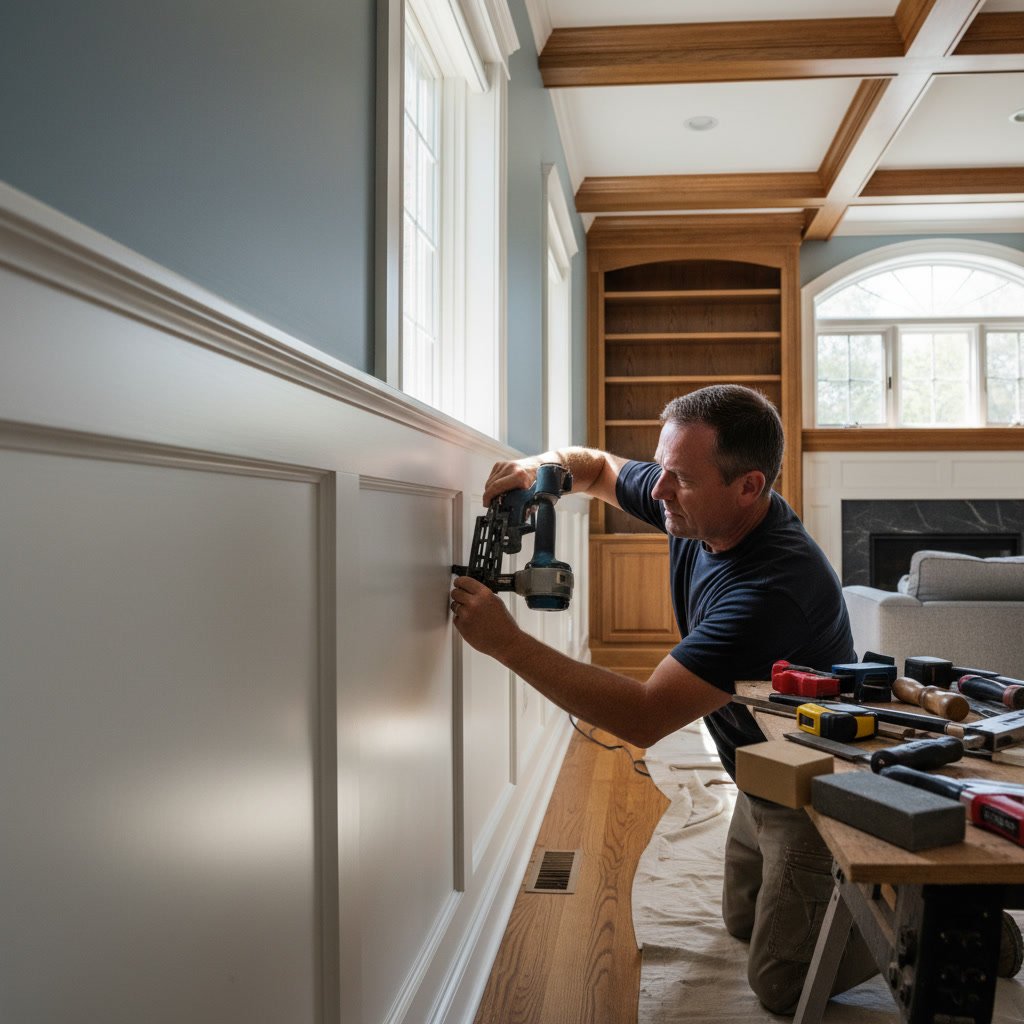
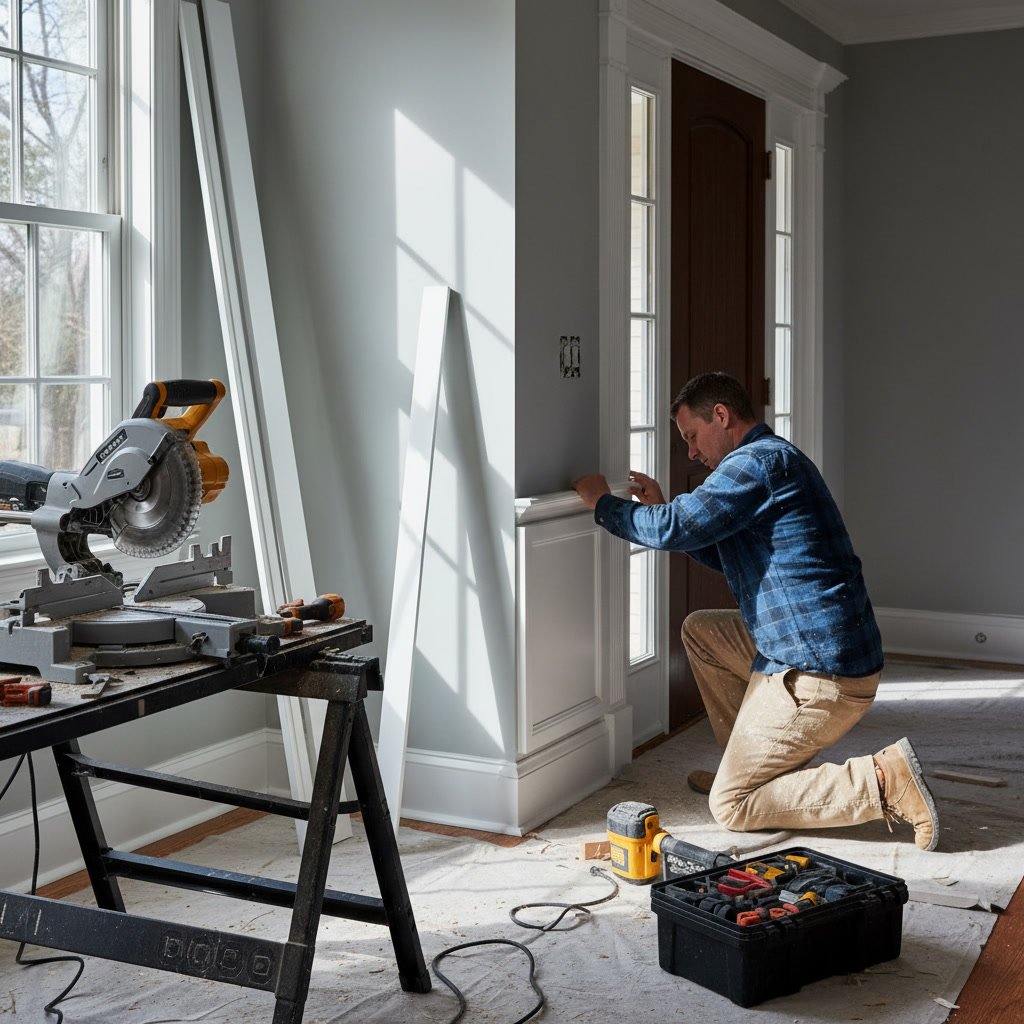
Wainscoting adds texture, protection, and traditional charm to walls. The most common styles include raised panel, flat panel (shaker style), and board-and-batten. Each creates a different aesthetic while serving the practical purpose of protecting walls from chairs, foot traffic, and everyday wear in high-use areas.
Traditional wainscoting extends 32 to 36 inches up the wall, roughly chair-rail height. Full-height board-and-batten or picture frame molding extends to the ceiling and works well in bedrooms, hallways, and dining rooms where you want maximum impact.
These finish carpentry upgrades particularly shine in remodeling projects where you want to add character to plain drywall or cover damaged surfaces without full replacement. Installation costs vary widely based on style complexity, but most projects range from $10 to $25 per square foot including materials and professional installation.
Staircase and Railing Details
For homes with visible staircases, upgrading railings, balusters, and newel posts creates dramatic transformation. Replacing basic builder-grade spindles with custom turned balusters, iron balusters, or cable railing systems modernizes the entire entry experience.
Stair treads can be upgraded from carpet to hardwood with decorative nosings and risers. Adding stair skirt boards that match your baseboard profile integrates the staircase into the room rather than making it feel like an afterthought.
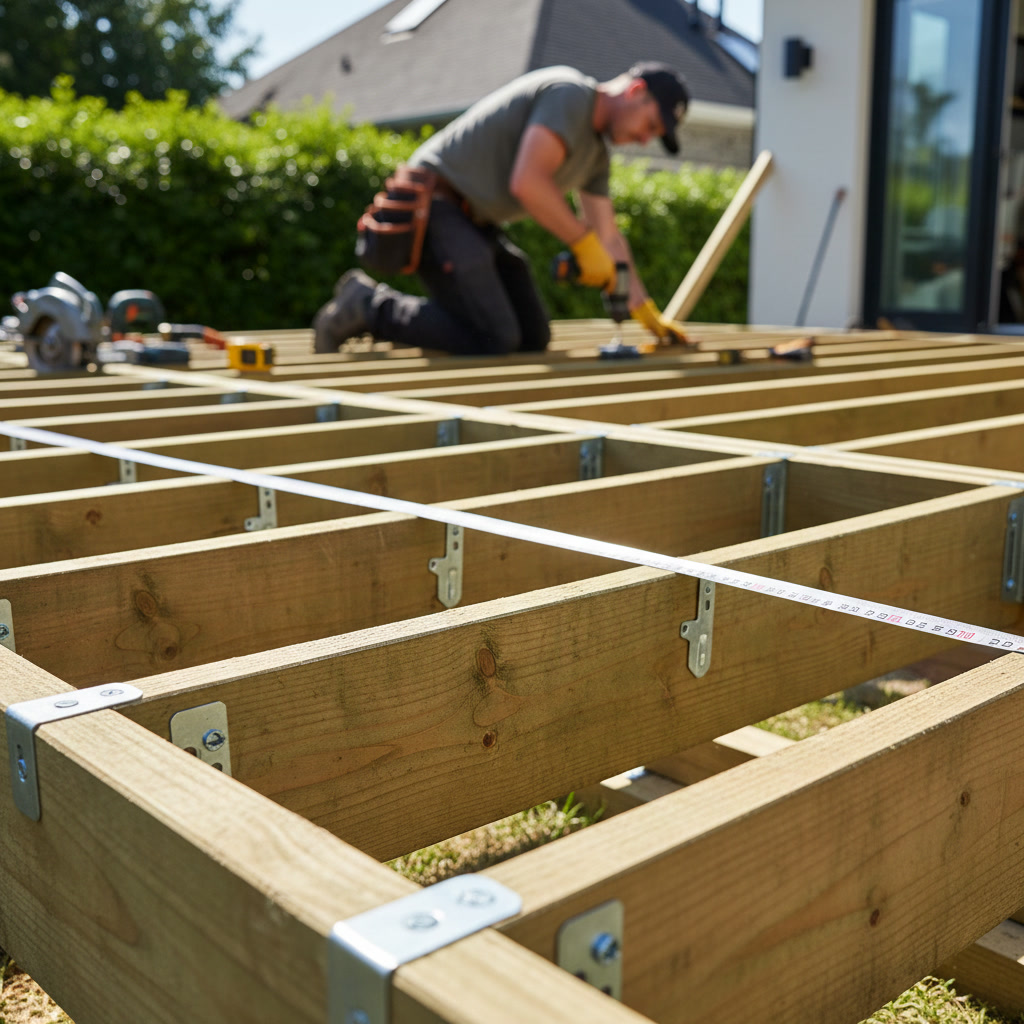
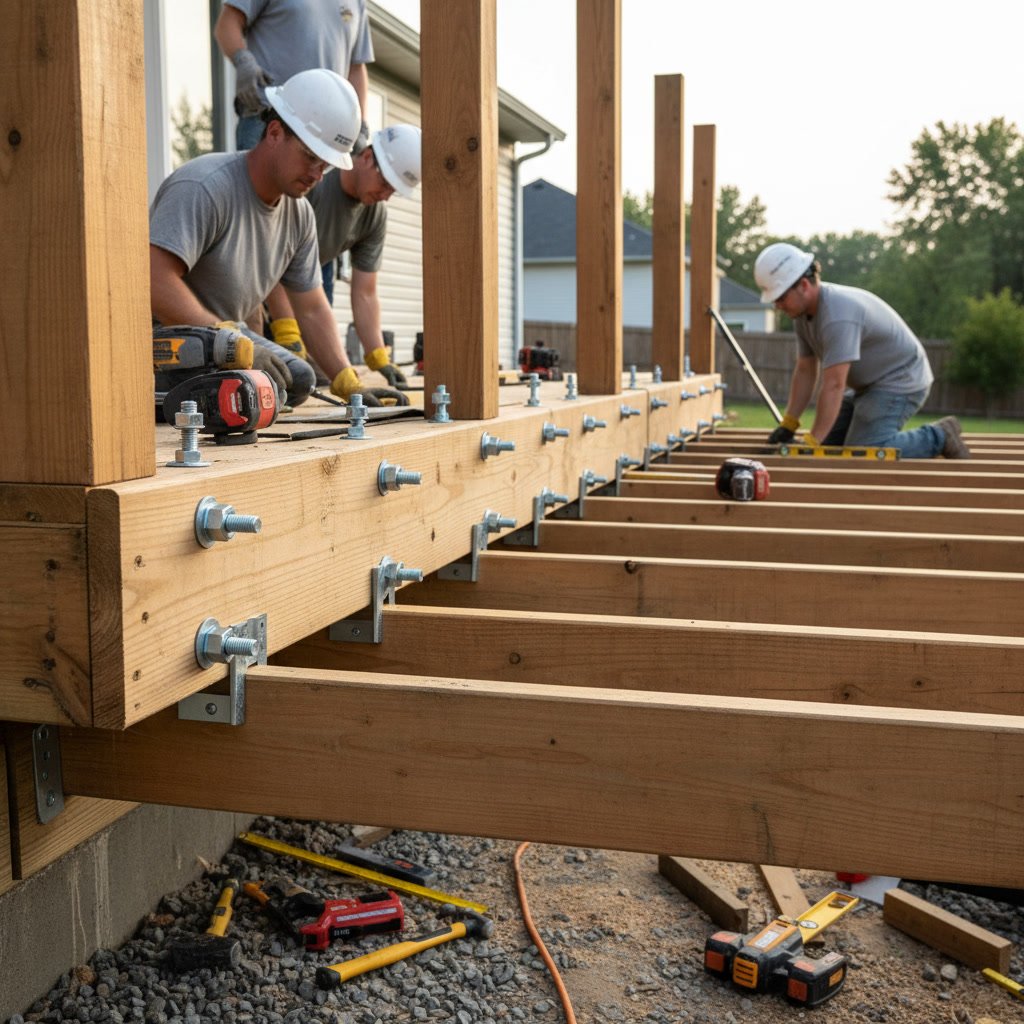
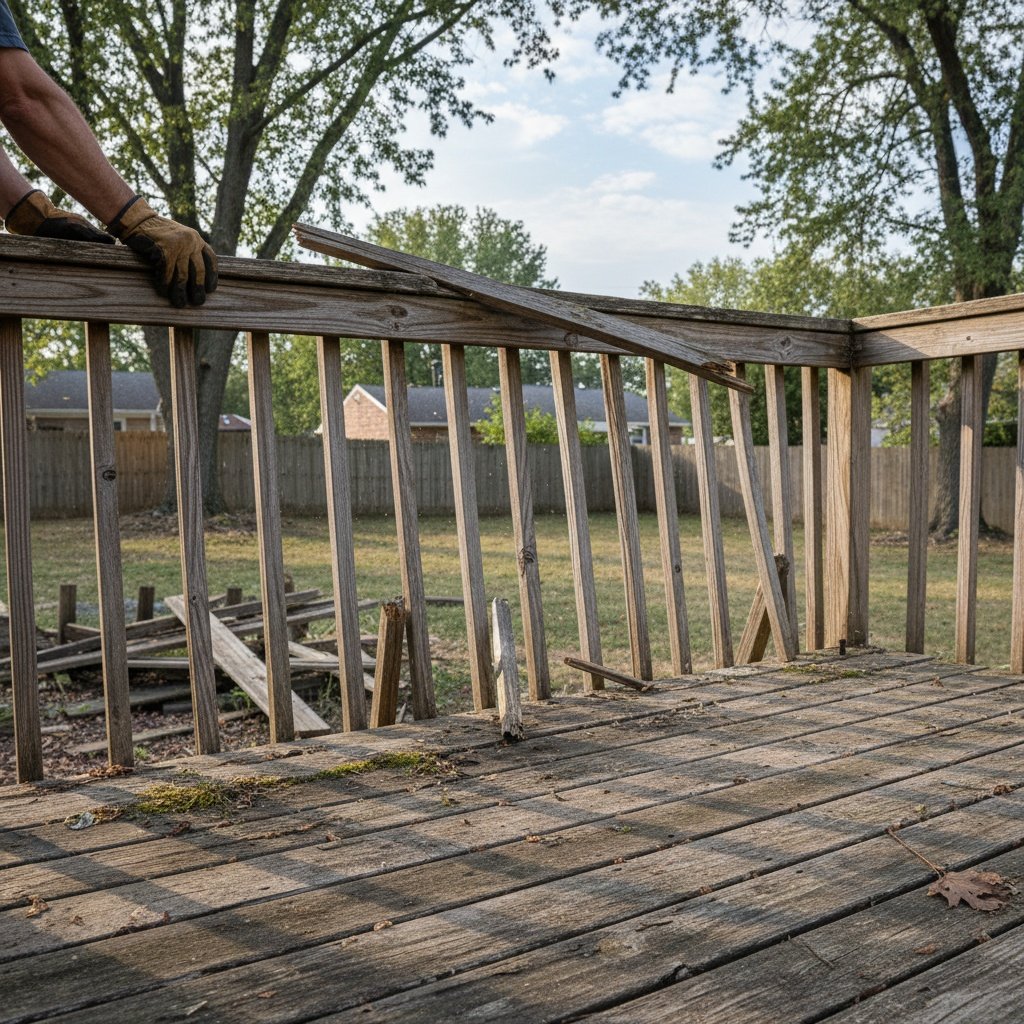
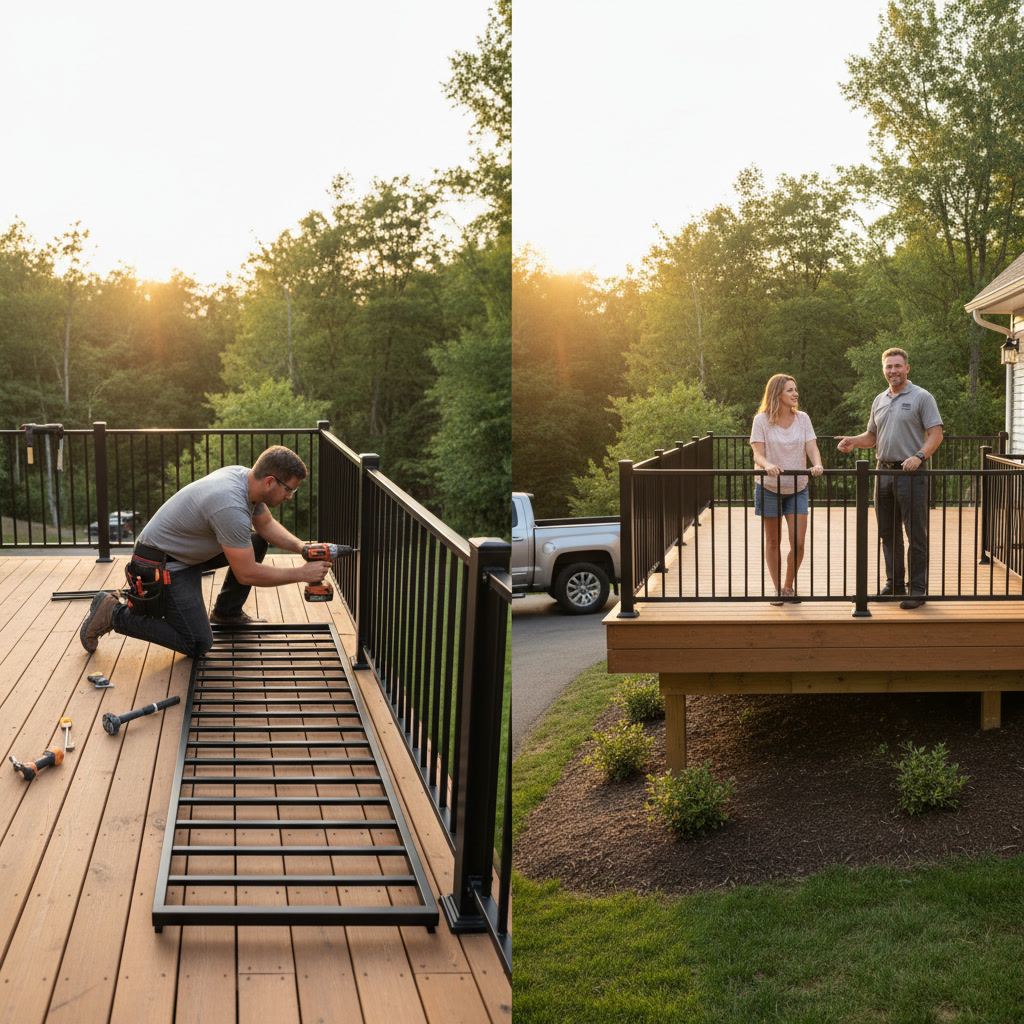
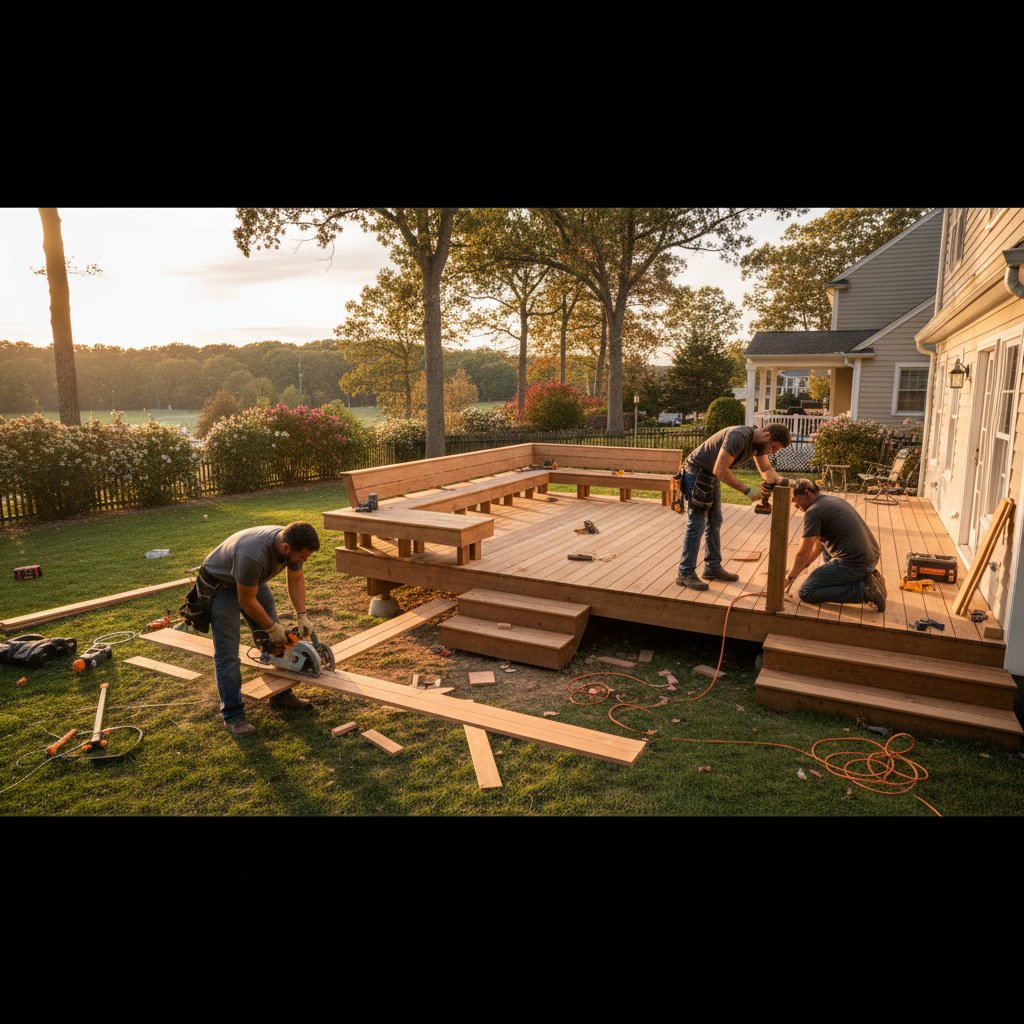
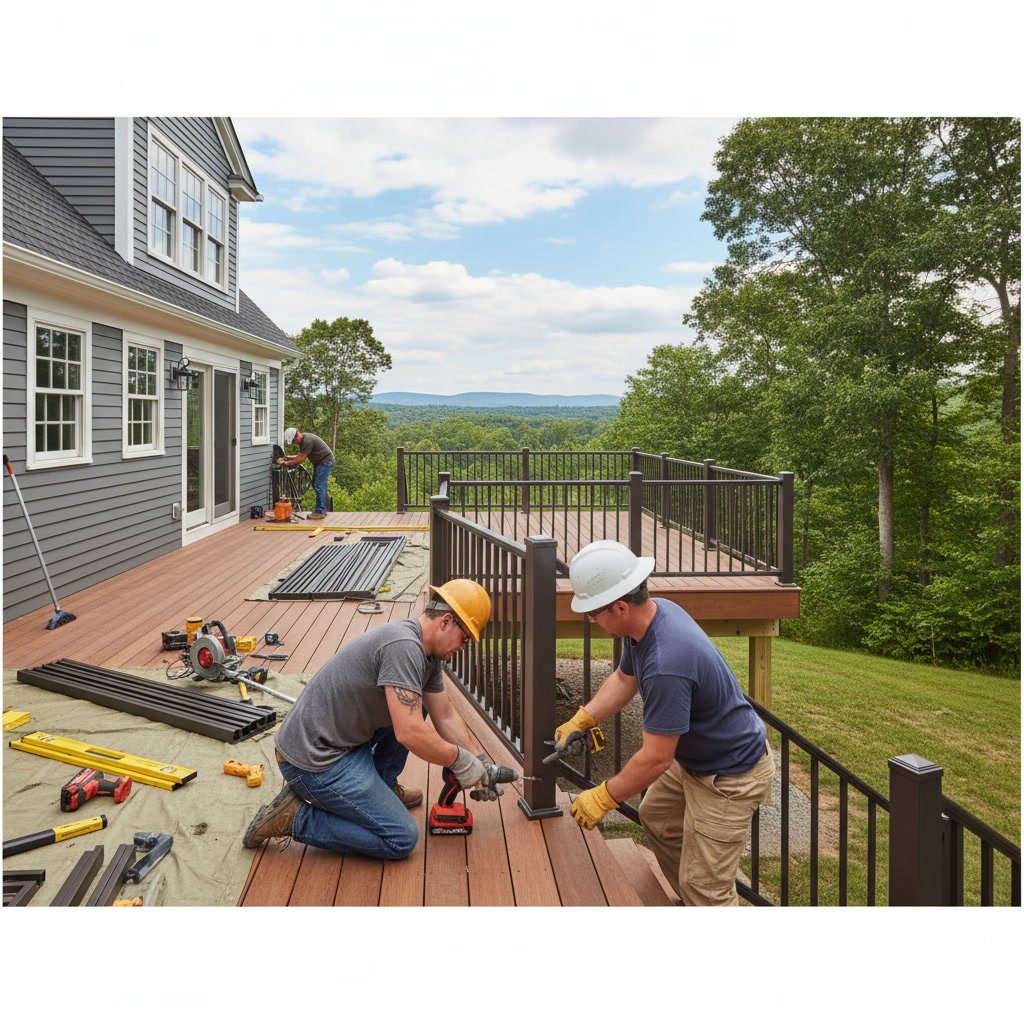
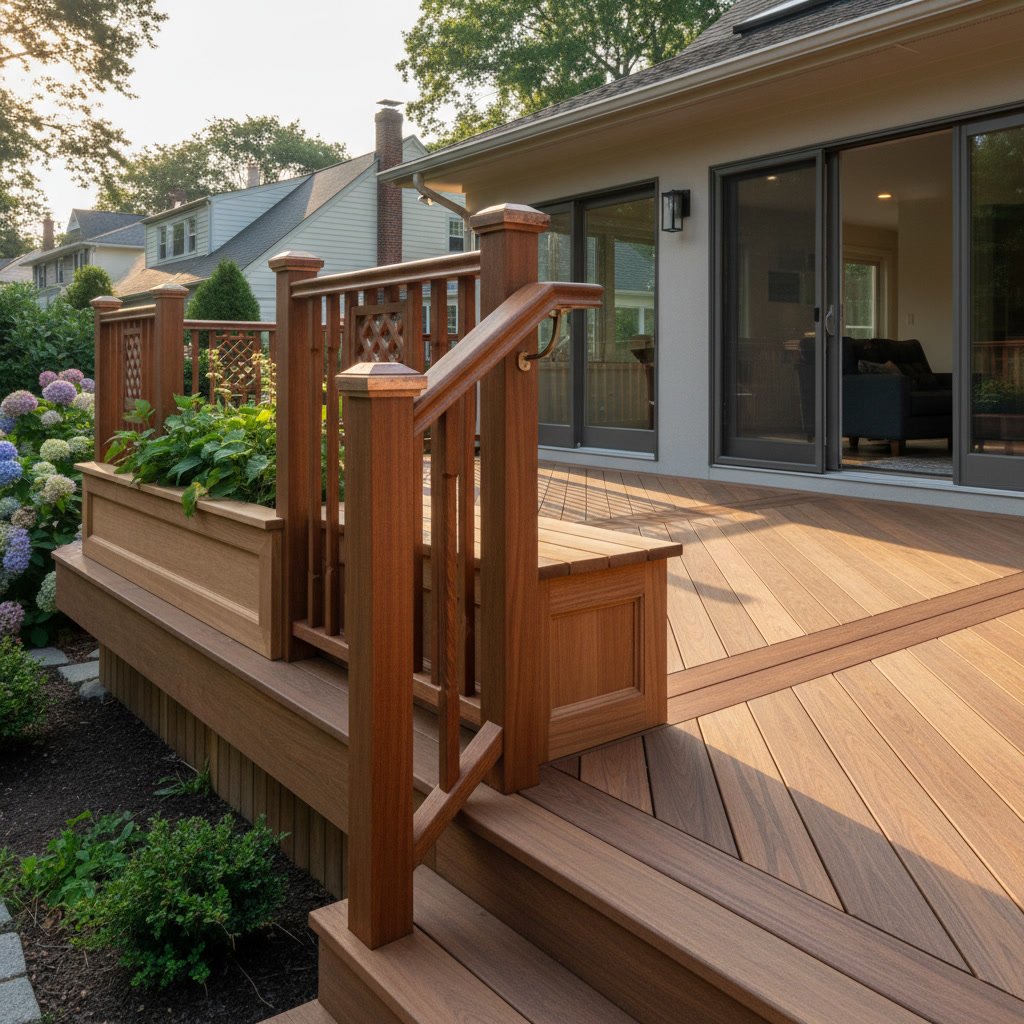
The same principles apply to outdoor spaces. If you’re planning deck installation, coordinating your railing installation with interior finish details creates visual continuity between indoor and outdoor living areas.
Key Takeaway: Staircase upgrades deliver outsized visual impact because stairs occupy prominent positions in most home layouts and are viewed from multiple angles throughout the day.
Specialty Moldings and Trim Features
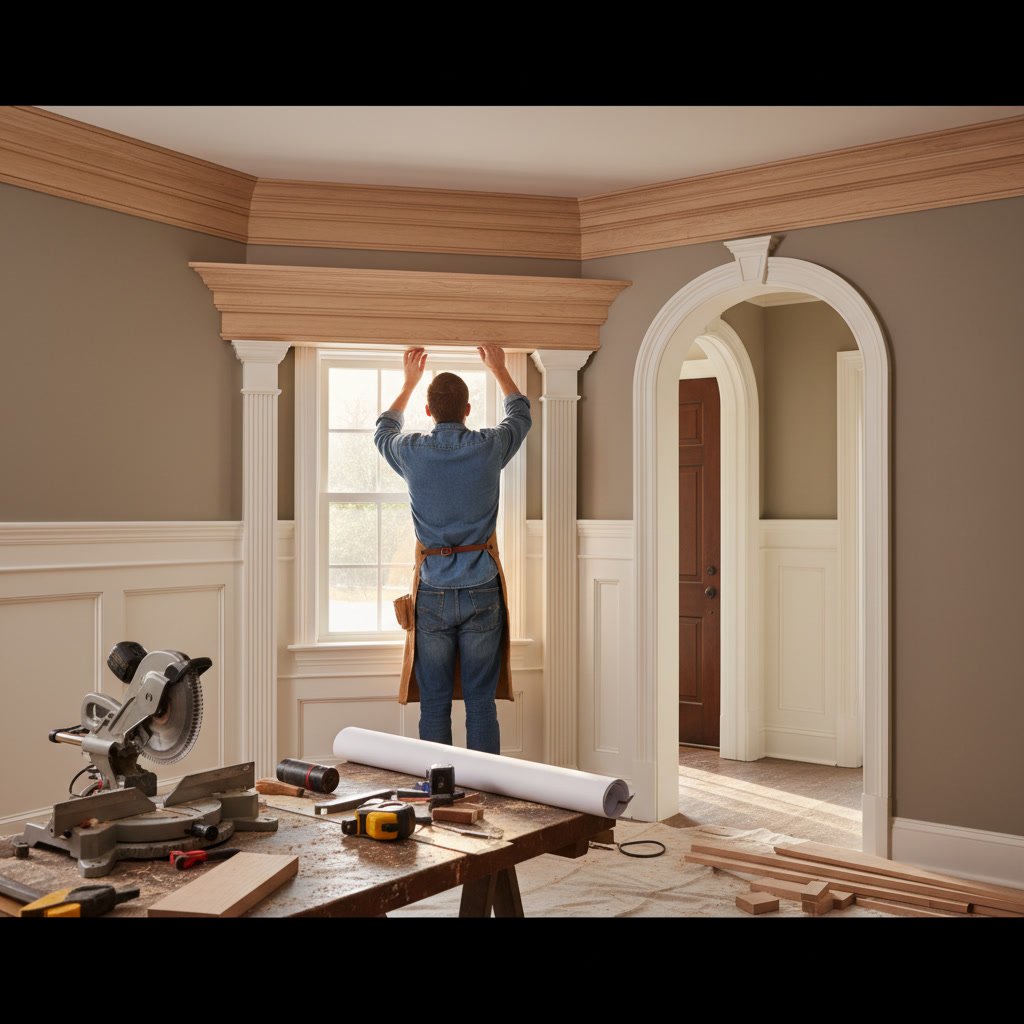
Beyond the basics, several specialty finish carpentry upgrades add distinctive character. Chair rails divide walls horizontally and provide opportunities for two-tone paint treatments or wallpaper above the rail. Picture rails installed 12 to 18 inches below the ceiling allow hanging artwork without wall damage.
Decorative corbels and brackets add support and visual interest under countertops, shelves, and mantels. Window and door pediments create classical detailing that references historic architecture. These elements work best when used selectively rather than layering too many different profiles in one space.
For homes in Framingham, MA and surrounding communities like Natick and Marlborough, matching finish details to regional architectural styles ensures your upgrades enhance rather than clash with your home’s existing character.
Selecting Materials for Longevity and Budget
Material selection significantly impacts both the cost and durability of finish carpentry upgrades. Solid hardwoods like oak, maple, and poplar offer superior strength and can be stained to show natural grain, but cost substantially more than composite materials.
Medium-density fiberboard (MDF) provides smooth surfaces ideal for painted finishes at a fraction of hardwood costs. MDF resists warping better than solid wood in humid environments but lacks structural strength for unsupported spans. Many professional installers combine materials, using solid wood for structural elements and MDF for decorative trim.
Primed finger-joint pine offers a middle ground, with solid wood strength at moderate cost. The finger joints are visible if stained but disappear under paint. For budget-conscious projects, this material delivers professional results without premium pricing.
Polyurethane moldings replicate traditional profiles at low cost and resist moisture damage in bathrooms and basements. While some homeowners object to the feel of plastic materials, modern products are nearly indistinguishable from painted wood once installed.
Working With Professional Finish Carpenters
Quality finish carpentry requires precision measuring, cutting, and fitting that differs from rough framing work. Joints must be tight, miters perfect, and reveals consistent. Professional finish carpentry work is measured in sixteenths of an inch rather than the quarter-inch tolerances acceptable in structural framing.
When planning finish carpentry upgrades, discuss your goals and budget with experienced contractors early in the design process. Decisions about trim profiles, material selection, and installation methods affect other trades like painters and flooring installers, so coordination prevents costly mistakes and delays.
Experienced finish carpenters can also suggest alternatives that achieve your desired aesthetic at lower cost or recommend where to invest for maximum impact. Their familiarity with local building codes ensures work meets requirements, particularly important for egress windows, stair dimensions, and railing height specifications.
Return on Investment and Home Value
While finish carpentry upgrades rarely appear on lists of highest-ROI renovations, they significantly influence buyer perceptions of overall home quality. Homes with detailed trim work, custom built-ins, and quality millwork consistently sell faster and command higher prices than comparable properties with basic builder finishes.
Real estate professionals in Massachusetts report that finish details particularly matter in markets like Framingham, Wellesley, and Newton where buyers expect quality craftsmanship. In these areas, lack of finish details can actually reduce sale price or extend time on market as buyers perceive the home as incomplete or cheaply built.
The most valuable finish carpentry upgrades are those that solve functional problems while adding beauty. Built-in storage, upgraded closet systems, and quality baseboards that protect walls from damage all provide ongoing utility beyond aesthetics.
For homeowners planning to stay in their homes long-term, the personal enjoyment of beautiful, well-crafted spaces often outweighs pure financial return calculations. Living with quality finish work that makes daily life more pleasant and organized delivers value that spreadsheets cannot capture.
Frequently Asked Questions
How much do finish carpentry upgrades typically cost?
Costs vary widely based on materials, complexity, and regional labor rates. Simple crown molding installation runs $6 to $12 per linear foot, while custom built-ins range from $1,200 to $3,500 per linear foot. Wainscoting typically costs $10 to $25 per square foot installed. Most homeowners allocate 10 to 15 percent of their total renovation budget to finish carpentry for balanced results.
Can finish carpentry be added to existing homes without major renovation?
Yes, most finish carpentry upgrades can be added to existing spaces with minimal disruption. Crown molding, baseboards, and wainscoting install directly over existing walls. Built-ins require more planning but rarely need structural changes. Professional installers can assess your specific situation and recommend approaches that minimize mess and downtime while delivering the results you want.
What finish carpentry upgrades provide the best return on investment?
Built-in storage solutions typically provide the strongest ROI because they solve functional problems while adding custom appeal. Upgraded baseboards and crown molding offer excellent value per dollar spent because they affect every room’s appearance. Focus investments on high-visibility areas like entries, living rooms, and master bedrooms where guests and potential buyers form first impressions.
How do I choose the right trim style for my home?
Match trim profiles to your home’s architectural style and era. Colonial and traditional homes suit more elaborate profiles with multiple reveals and decorative elements. Contemporary homes benefit from clean-lined, minimal trim that emphasizes horizontal and vertical lines. Ranch and mid-century homes often look best with modest profiles that complement rather than overpower the architecture. When uncertain, consult design resources or professional contractors familiar with regional styles.
Should finish carpentry be stained or painted?
The decision depends on your aesthetic goals and budget. Stained finishes showcase wood grain and create warmth but require higher-grade lumber without defects, increasing material costs. Painted finishes allow use of less expensive materials like MDF and finger-joint pine while offering more color flexibility. Most modern homes use painted trim for clean, versatile looks, while traditional and craftsman styles often feature stained woodwork for warmth and character.
Bringing It All Together
The best finish carpentry upgrades transform remodeling projects from basic improvements into refined, detailed spaces that reflect quality and care. Whether you invest in crown molding, custom built-ins, upgraded trim, or wainscoting, these details create lasting value and daily enjoyment. The key is selecting upgrades that match your home’s style, solve real functional needs, and fit within your overall renovation budget.
ANJO Home Improvement Inc. brings expert craftsmanship and attention to detail to every finish carpentry project throughout Framingham and surrounding Massachusetts communities. Our licensed and insured team works closely with homeowners to design and install the quality details that make remodeling projects truly complete. Contact us at +17745056597 to discuss how professional finish carpentry can enhance your next renovation.