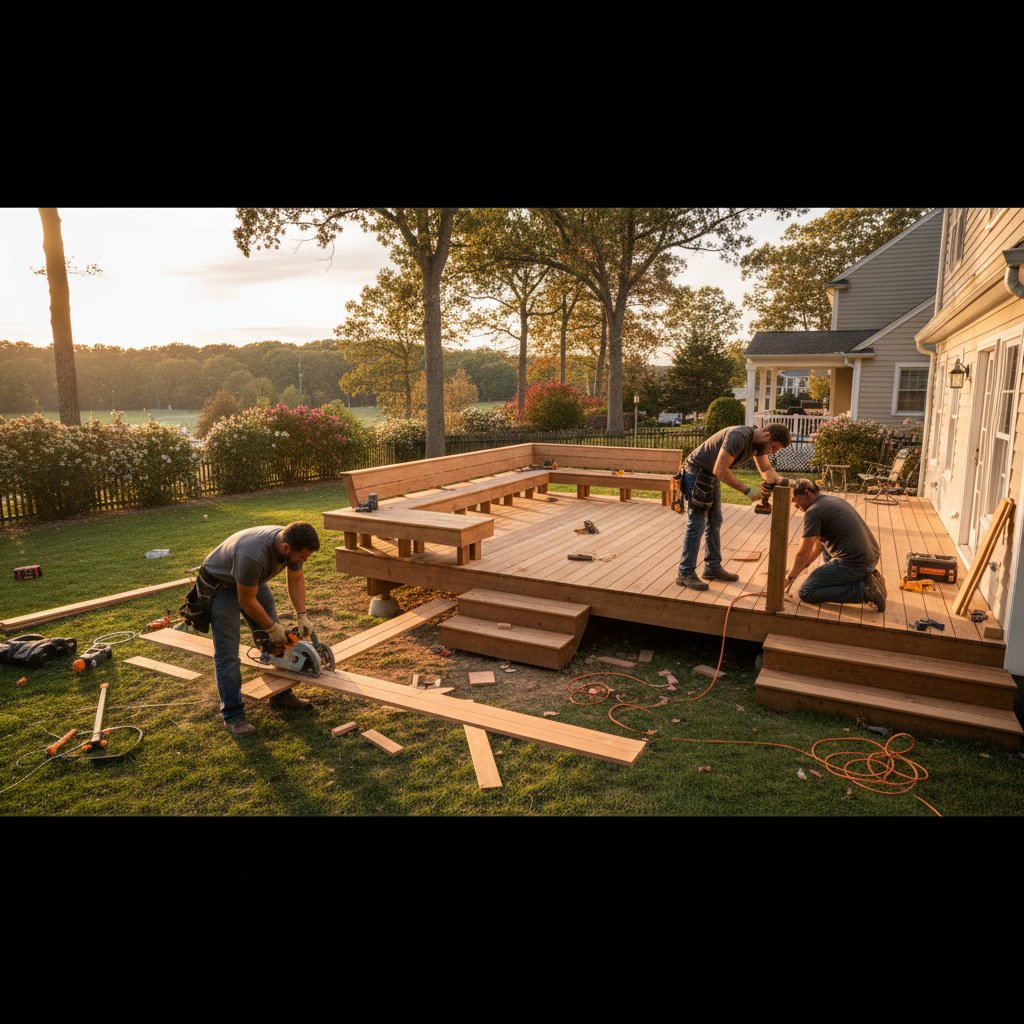
Building a deck is one of the smartest investments you can make in your Massachusetts home. It expands your living space, creates a perfect spot for summer cookouts, and typically returns 60-80% of its cost at resale. But before you start planning your dream outdoor space, you need to understand what you’ll actually pay.
The cost to build deck projects in Massachusetts ranges from $6,000 for a basic 200-square-foot pressure-treated platform to $40,000 or more for large composite or multi-level designs. Most homeowners in the Hudson, Framingham, and surrounding MetroWest areas spend between $12,000 and $25,000 for a quality mid-sized deck that balances durability, aesthetics, and budget.
This guide breaks down every cost factor you’ll encounter, from materials and labor to permits and site preparation, so you can budget accurately and avoid surprises.
Average Deck Construction Costs in Massachusetts
Massachusetts deck prices run higher than the national average for three main reasons: strict building codes, seasonal weather that limits the construction window, and higher labor costs across the state.
Here’s what you can expect per square foot for different material types:
- Pressure-treated wood: $30-$45 per square foot installed
- Cedar or redwood: $40-$60 per square foot installed
- Composite decking: $50-$75 per square foot installed
- PVC or vinyl decking: $60-$85 per square foot installed
- Hardwood (Ipe, Tigerwood): $70-$100+ per square foot installed
A standard 12×16 deck (192 square feet) in pressure-treated lumber typically costs $6,500-$9,000 installed. The same deck in composite materials runs $10,000-$15,000. Add stairs, multi-level designs, or built-in features like benches and planters, and costs climb quickly.
Pro Tip: Get at least three written estimates from licensed contractors. Quotes that seem unusually low often indicate unlicensed work, inferior materials, or shortcuts on permits and code compliance that will cost you more later.
Material Costs Breakdown
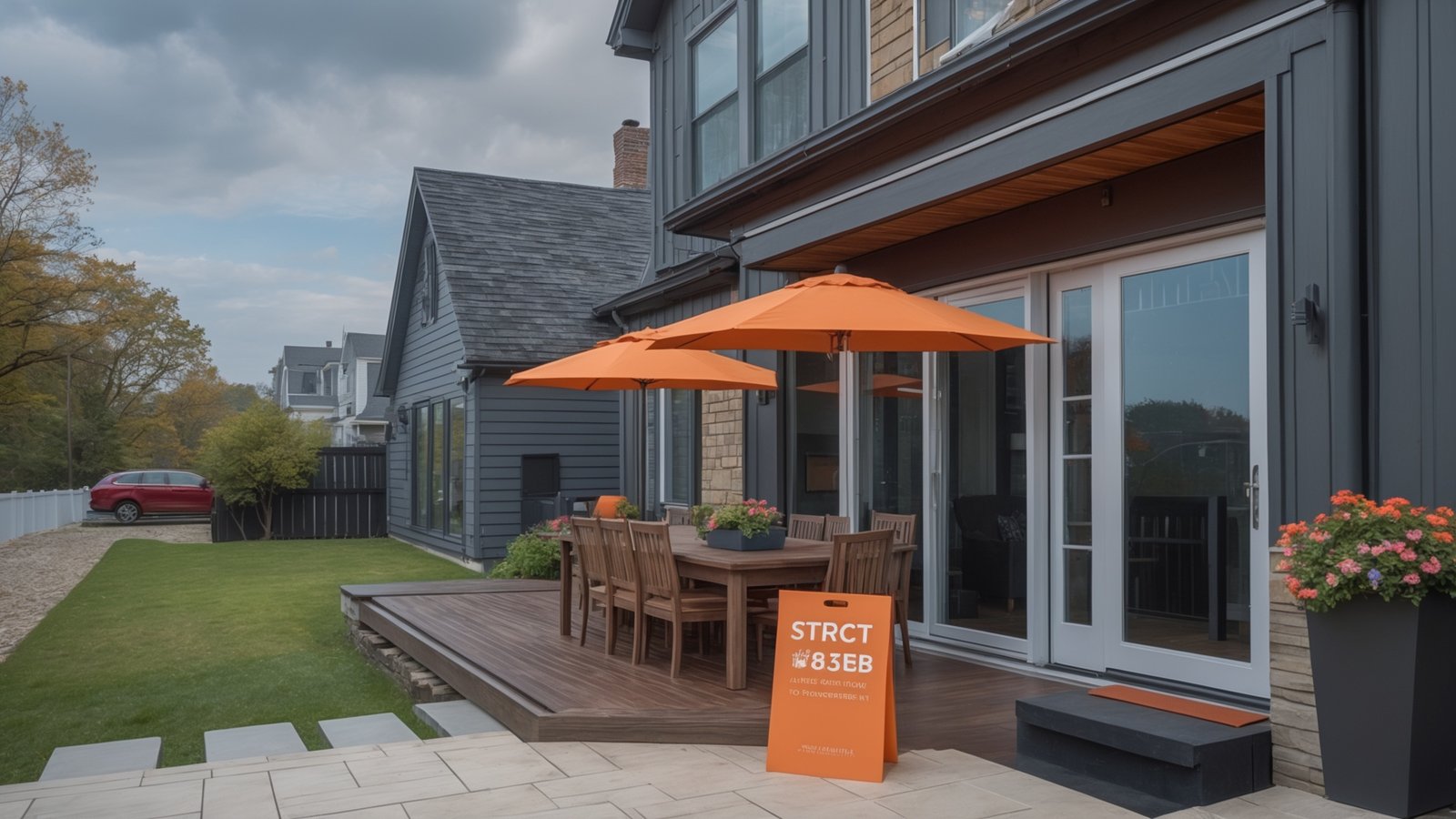
Materials typically account for 40-50% of your total deck project cost. Understanding the differences helps you make informed choices that fit your budget and long-term needs.
Pressure-Treated Lumber
Pressure-treated southern yellow pine remains the most economical choice. It resists rot and insects, lasts 15-20 years with proper maintenance, and costs $2-$5 per square foot for materials alone.
The downside? It requires annual cleaning and sealing, can warp or split over time, and doesn’t offer the aesthetic appeal of premium materials. Still, for budget-conscious projects or secondary outdoor spaces, it’s a reliable option.
Composite Decking
Composite materials like Trex, TimberTech, and Azek dominate the Massachusetts market for good reason. They resist fading, staining, and moisture damage without annual maintenance. Material costs run $4-$8 per square foot for quality brands.
You’ll pay more upfront, but you’ll save hundreds of hours and thousands of dollars in maintenance over the deck’s 25-30 year lifespan. The color stays consistent, splinters are nonexistent, and most products carry 25-year warranties.
Cedar and Natural Wood
Cedar offers natural beauty and rot resistance at $5-$8 per square foot for materials. It weathers to an attractive silver-gray or can be stained to maintain its original color.
Like pressure-treated wood, cedar requires regular maintenance. Budget $300-$600 annually for cleaning and sealing a mid-sized deck. Without it, you’ll see splitting, warping, and accelerated deterioration.
Labor and Installation Costs
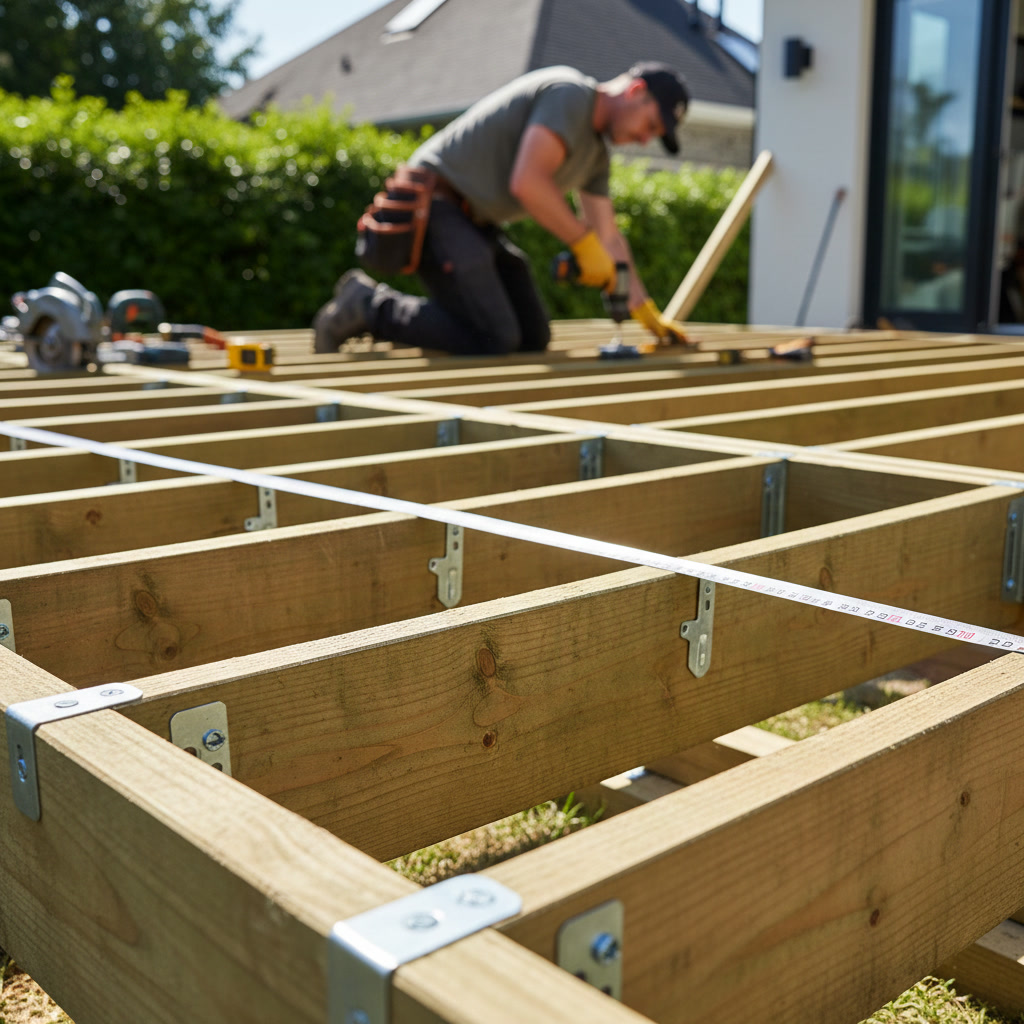
Professional installation in Massachusetts typically costs $15-$35 per square foot, depending on project complexity. A licensed, insured contractor brings code knowledge, proper tools, and workmanship guarantees that DIY projects can’t match.
Simple, ground-level rectangular decks fall on the lower end of that range. Second-story decks, complex angles, multiple levels, or integration with existing structures push labor costs higher. Skilled finish work, custom railings, and built-in features require additional expertise and time.
Beware of unlicensed contractors offering significantly lower rates. Massachusetts requires contractors to be licensed and insured. Working with unlicensed builders puts you at risk for code violations, failed inspections, liability for injuries, and work that may need to be torn out and redone.
Key Takeaway: Licensed contractors understand Massachusetts building codes, including frost line requirements (48 inches in most areas), proper ledger board attachment, and railing height specifications. These aren’t optional details but legal requirements that protect your safety and home value.
Permits, Inspections, and Code Requirements
Most Massachusetts communities require building permits for decks. Permit costs range from $50 to $500, depending on project size and your town’s fee structure. Hudson, Marlborough, Framingham, and Newton all have specific permit requirements.
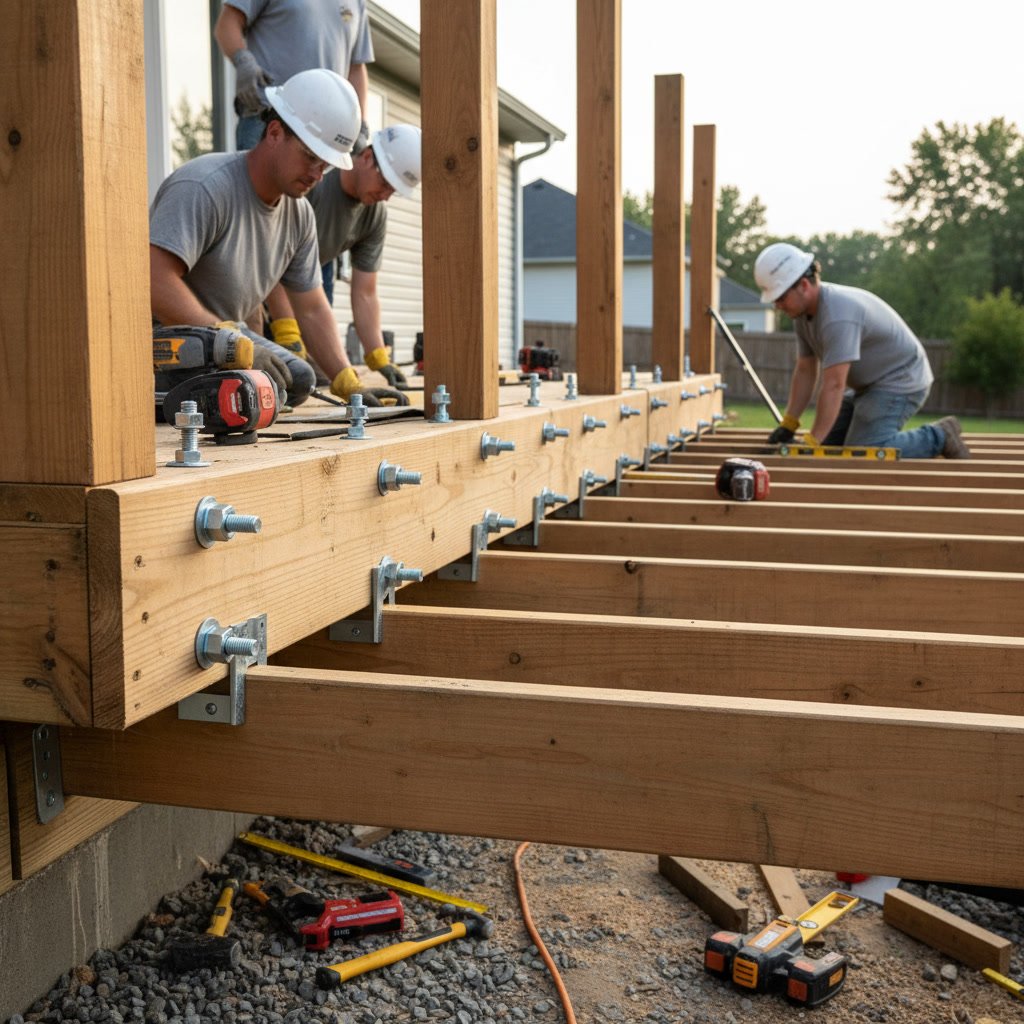
Your contractor typically handles permit applications, but you should understand what’s required. Decks attached to your home need engineered plans showing proper ledger board connection. Railings must be 36 inches minimum height with balusters spaced no more than four inches apart.
Footings must extend below the frost line (48 inches in most MetroWest communities) to prevent heaving and structural damage during freeze-thaw cycles. Inspectors verify this before allowing you to proceed with framing.
Expect two to three inspections during construction: after footings are dug but before concrete is poured, after framing is complete, and a final inspection before the deck is approved for use. Each failed inspection means delays and potential rework costs.
Additional Cost Factors
Site Preparation and Access
The condition of your yard affects project cost. Sloped lots require longer posts and more extensive framing. Rocky soil means drilling equipment for footings. Limited access to the backyard can slow material delivery and increase labor hours.
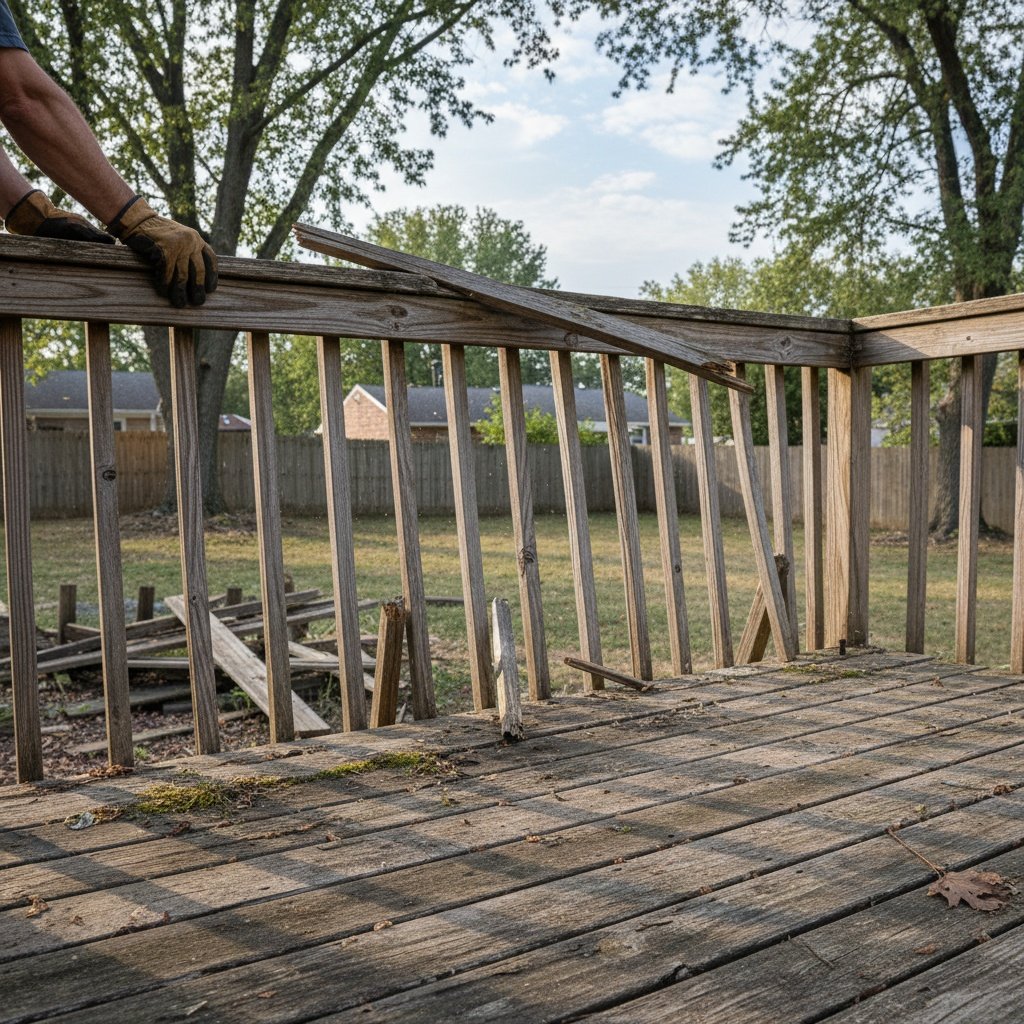
Tree removal, stump grinding, or grading work adds $500-$3,000 before deck construction even begins. Existing concrete patios or old decks that need removal cost another $500-$2,000 for demolition and disposal.
Stairs and Railings
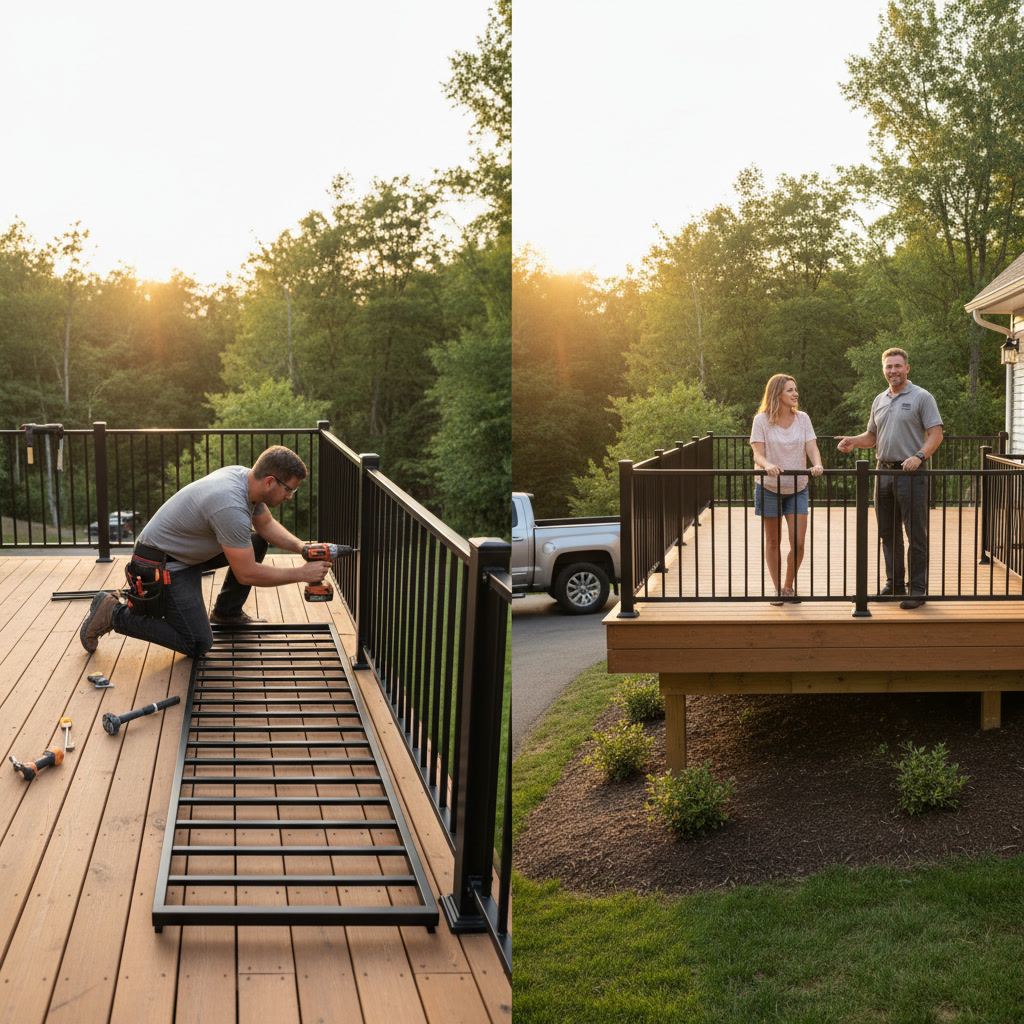
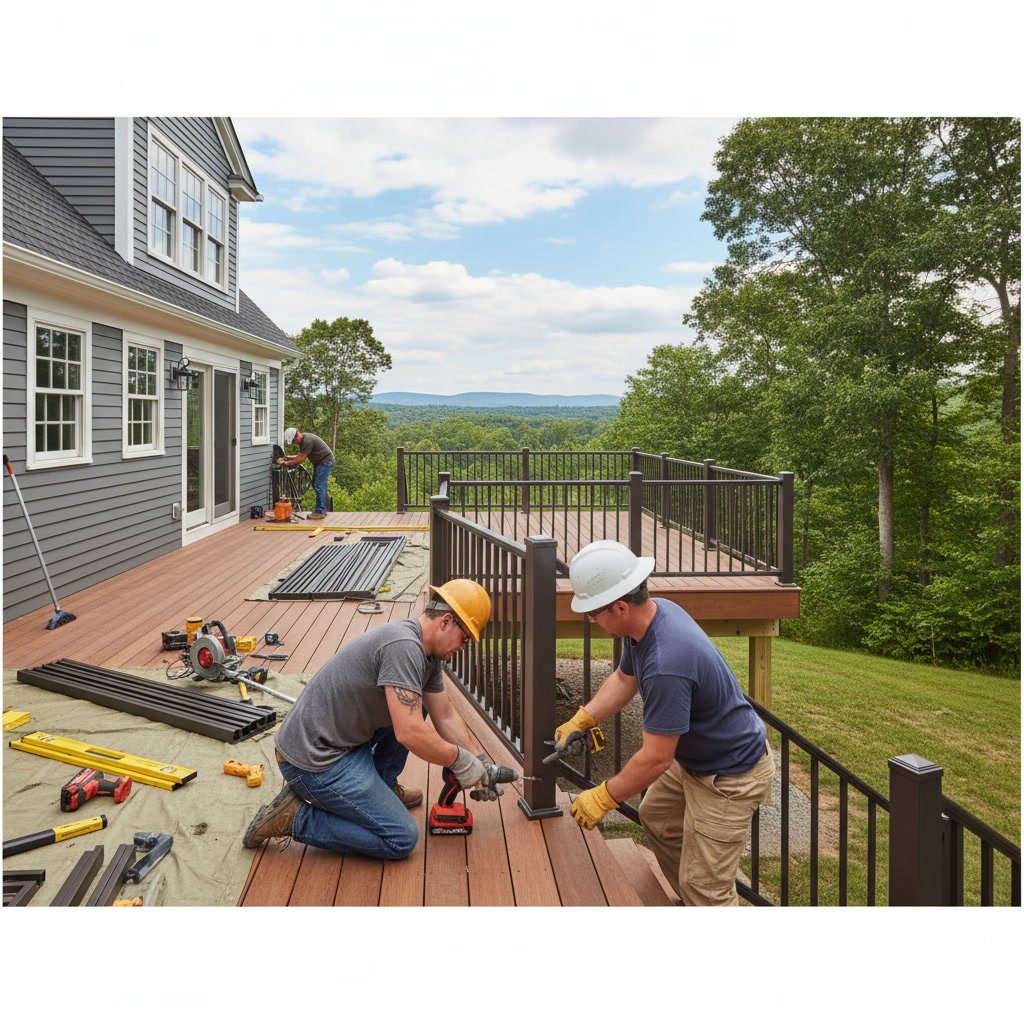
Stairs add $1,000-$3,000 depending on height and materials. Railings run $25-$100 per linear foot installed. Cable railings, glass panels, or custom metalwork push costs toward the higher end but create stunning visual appeal.
Every deck needs railings if it’s more than 30 inches above grade. Factor this into your budget from the start rather than treating it as an optional add-on.
Special Features and Upgrades
Built-in benches add $200-$800. Pergolas or shade structures start at $2,000. Under-deck drainage systems that keep the space below dry cost $3,000-$8,000. Lighting, from simple post caps to sophisticated LED systems, ranges from $300 to $3,000.
These features aren’t necessary but can transform your deck from a simple platform into a true outdoor room that extends your home’s usable space.
Regional Pricing in MetroWest Massachusetts
Location within Massachusetts affects your cost to build deck projects. Communities like Newton, Wellesley, and Weston typically see prices 10-20% higher than state averages due to larger project scopes, premium material preferences, and higher property values.
Hudson, Marlborough, Framingham, Natick, and Ashland represent the middle range of the market. You’ll find experienced contractors, competitive pricing, and good value. Worcester and Shrewsbury often come in slightly lower, though the differences narrow when comparing similar project scopes and materials.
What matters more than location is finding a contractor who understands local codes, has relationships with inspectors, and knows how to handle the specific challenges of Massachusetts weather and soil conditions.
How to Reduce Deck Building Costs
You can control costs without sacrificing quality by making strategic choices early in the planning process.
Choose a simple rectangular design. Complex angles, curves, and multiple levels significantly increase labor costs. A straightforward layout uses materials more efficiently and builds faster.
Consider a hybrid approach with pressure-treated framing and composite decking. You get the low-maintenance benefits where it matters most (the surface you see and walk on) while saving money on structural components hidden from view.
Time your project carefully. Contractors are busiest May through August. Scheduling your deck for early spring or fall may yield better pricing and faster completion as contractors fill their calendars.
Handle the finishing work yourself if you’re handy. Apply the first coat of sealer to a wood deck, install simple lighting, or build planters and accessories. Just ensure structural and code-related work is done by licensed professionals.
Return on Investment
A well-built deck returns 60-80% of its cost when you sell your home. In competitive markets like MetroWest Massachusetts, a quality deck can be the difference between a quick sale at asking price and a property that sits on the market.
Beyond resale value, consider the practical return. A deck that costs $15,000 and gets used 100 days per year for 20 years costs $7.50 per day of use. Compare that to the cost of dining out or other entertainment, and the value becomes clear.
Choose materials and features that match how you’ll actually use the space. A family that entertains frequently benefits from a larger deck with built-in seating. A couple looking for a quiet morning coffee spot needs less square footage but might invest in premium materials and comfortable features.
Questions to Ask Before Starting Your Project
Before signing a contract, clarify these points with your contractor to avoid misunderstandings and ensure accurate cost to build deck estimates.
What’s included in the quoted price? Some contractors include permits, others charge separately. Confirm whether stairs, railings, and basic features are in the base price or added costs.
What’s the payment schedule? Typical schedules include a deposit (usually 10-25%), a progress payment when framing is complete, and final payment after inspection approval. Avoid contractors demanding large upfront payments or cash-only arrangements.
How long will the project take? Most standard decks take one to three weeks from permit approval to final inspection. Weather, material delivery delays, and inspection scheduling can extend timelines.
What warranty covers the work? Material warranties vary by product, but workmanship warranties should cover installation for at least one year. Reputable contractors stand behind their work and address any issues that arise.
Frequently Asked Questions
Do I need a permit to build a deck in Massachusetts?
Most Massachusetts communities require permits for deck construction, especially for decks attached to your home or elevated more than 30 inches above grade. Requirements vary by town, so check with your local building department. ANJO Home Improvement Inc handles all permit applications and inspections as part of our deck building service.
How long does a deck last in Massachusetts?
Pressure-treated wood decks last 15-20 years with proper annual maintenance. Composite decks last 25-30 years with minimal maintenance. Cedar decks fall in between at 20-25 years if properly sealed every two to three years. Massachusetts weather, with freeze-thaw cycles and humidity, makes regular maintenance critical for longevity.
Is composite decking worth the extra cost?
For most homeowners, yes. While composite costs 50-70% more upfront than pressure-treated wood, you eliminate annual sealing and staining costs of $300-$600. Over a 25-year lifespan, composite saves money on maintenance and looks better longer. If you plan to stay in your home for at least five to seven years, composite typically proves more economical.
Can I build a deck myself to save money?
Massachusetts building codes are strict, and mistakes can be expensive to fix. Improper ledger board attachment can pull away from your house, creating dangerous structural failure. Incorrect footing depth leads to frost heaving. Most homeowners find that professional installation ensures code compliance, passes inspections on the first try, and comes with workmanship warranties that DIY projects lack.
What time of year is best to build a deck in Massachusetts?
Late spring through early fall offers the best weather for deck construction. However, experienced contractors can work year-round except during extreme cold or heavy snow. Scheduling your project for early spring or late fall sometimes results in better pricing as contractors have more availability outside peak summer months.
Planning Your Deck Investment
Understanding the true cost to build deck projects in Massachusetts helps you budget realistically and make choices that fit your needs and timeline. Material selection, design complexity, and contractor expertise all significantly impact your final cost.
ANJO Home Improvement Inc has built hundreds of decks throughout Hudson, Framingham, Marlborough, Natick, Newton, and surrounding MetroWest communities. We provide detailed written estimates, handle all permits and inspections, and deliver quality craftsmanship that meets all Massachusetts building codes.
Ready to discuss your deck project and get an accurate estimate for your specific needs? Call +17745056597 to schedule a free consultation at your property. We’ll assess your yard, discuss your vision, and provide a detailed breakdown of costs with no obligation.